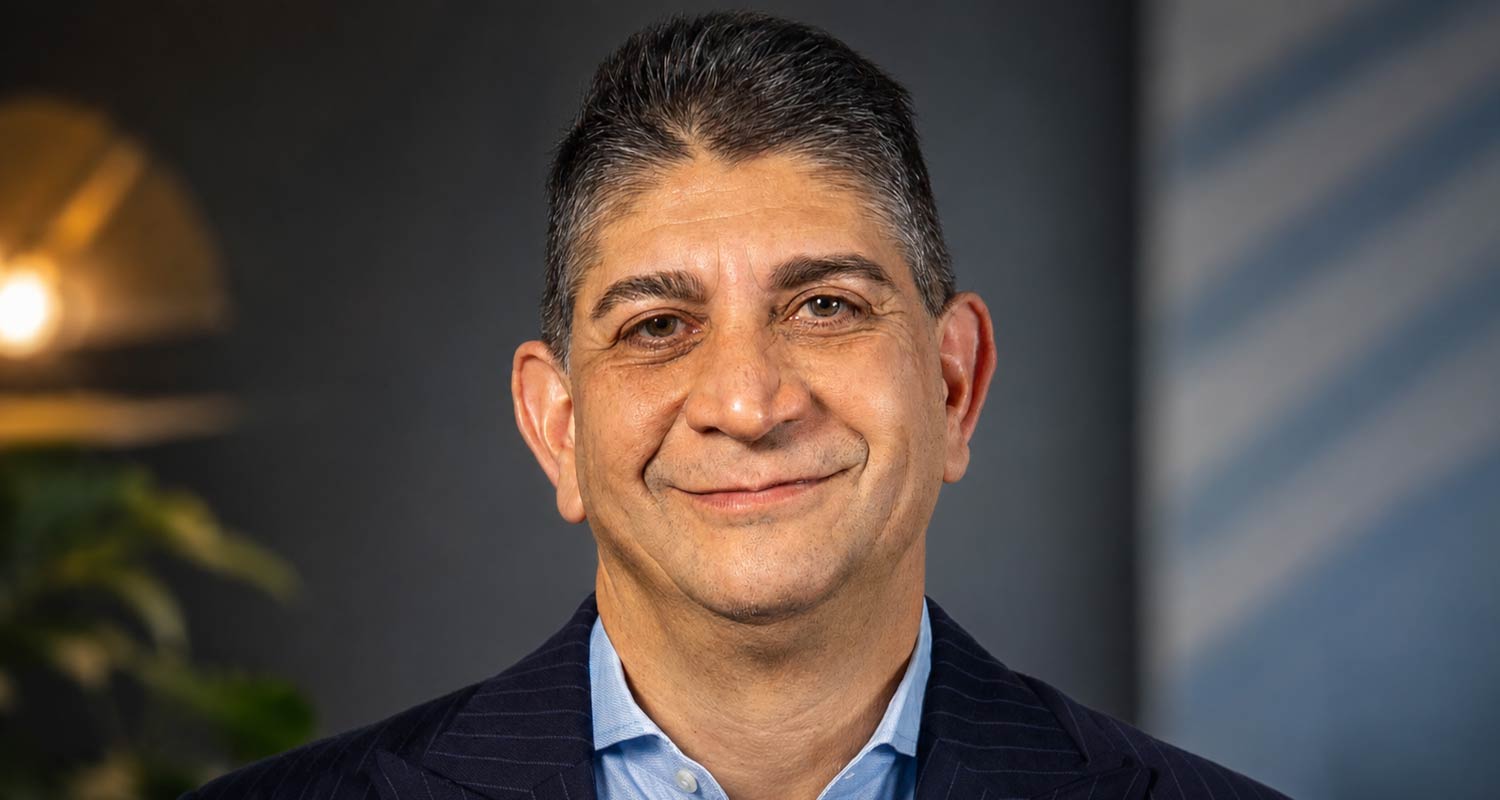
Vodacom Group is spending approximately US$470,000 annually on personal security for its chief executive, Shameel Joosub, according to details that emerged through a restatement of previous remuneration figures rather than a standalone disclosure.
The expenditure is included within the “other benefits” category in Joosub’s single-figure remuneration package contained in the company’s FY2026 integrated report for the year ended 31 March 2026. The category totalled US$472,000 during the reporting period.
A footnote states that the amount covers security arrangements linked to the risk profile of the role, as well as a mobile phone benefit, although no separate breakdown is provided.
The scale of the security spending only becomes apparent when comparing the latest report with the previous year’s publication. In Vodacom’s FY2025 report, Joosub’s “other benefits” amounted to just US$1,200 and were attributed solely to a company mobile phone benefit.

In the FY2026 report, however, the prior-year figure was revised upward to approximately US$446,000 to account for security-related costs. The difference of roughly US$445,000 indicates that security expenses represented almost the entirety of the revised amount, with the mobile phone benefit accounting for only a small fraction. This also suggests that most of the current year’s US$472,000 “other benefits” allocation relates to executive protection.
The revision had a significant impact on Joosub’s disclosed remuneration. His FY2025 total single-figure pay increased from approximately US$4.34 million, as originally reported, to US$4.78 million after the inclusion of security costs.
Explaining the change, South African Revenue Service (SARS) issued a ruling during the year determining that the security arrangements should be treated as a fringe benefit. Following the ruling, the company incorporated the costs into its remuneration disclosures and restated prior-year figures to ensure consistency and comparability.
A similar pattern is evident in the remuneration of chief financial officer Raisibe Morathi, although on a smaller scale. Her FY2025 “other benefits” line was revised from just US$390 to approximately US$64,000, indicating a security-related component of around US$63,000. Her FY2026 figure declined to about US$52,000, suggesting a reduced level of protection expenditure.
Combined, Vodacom appears to be spending roughly US$520,000 per year on security arrangements for its two most senior executives.
Despite this, the company does not separately disclose the security expenditure. Instead, the costs remain grouped with relatively minor benefits such as company mobile phone allowances, requiring shareholders to compare reports across different years to identify the true extent of the spending.
This approach is broadly consistent with common practice among South African listed companies. Neither the JSE Listings Requirements, the Companies Act nor the King governance codes require companies to disclose executive security costs separately. While Vodacom has gone further than many peers by incorporating the expense into remuneration tables, it still stops short of explicitly identifying the amount.
Competitor MTN Group provides even less detail. In its FY2025 remuneration report, group president and chief executive Ralph Mupita’s total remuneration of approximately US$4.62 million is divided into salary, retirement contributions, short- and long-term incentives, and an unspecified “other benefits” category worth about US$84,000. The report does not specifically mention security costs or explain what is included within the category.
The contrast with the United States is notable. There, Securities and Exchange Commission rules require companies to quantify executive perks exceeding the greater of US$25,000 or 10% of total executive benefits. As a result, personal security arrangements have become a routine disclosure. Recent data suggest that around a quarter of S&P 500 chief executives receive company-funded security benefits, with a median annual cost of approximately US$75,000, although the highest spenders exceed US$1.2 million.
Among the most prominent examples is Meta Platforms. The company reported total FY2024 compensation of US$27.2 million for chief executive Mark Zuckerberg, the majority of which was security-related. This included a US$14 million annual pre-tax security allowance, in addition to direct security costs associated with protecting him at home and while travelling.
Meta’s security programme alone exceeds the combined executive protection spending disclosed by several major technology companies, including Apple, Nvidia, Amazon, Google and Microsoft. It also far surpasses the approximately US$6.8 million spent on Google chief executive Sundar Pichai and the US$1.4 million allocated to Apple chief executive Tim Cook.
Against this backdrop, Joosub’s annual security cost of around US$470,000 appears modest by comparison, although it remains significantly higher than the typical expenditure incurred by most S&P 500 companies.
The situation highlights a broader irony. South African executives arguably face greater personal security risks than many of their counterparts in the United States, yet listed companies operate under far less stringent disclosure expectations. As enhanced remuneration reporting requirements and shareholder activism continue to drive demands for greater transparency, the cost of protecting senior executives may increasingly become a subject that companies can no longer leave hidden in the footnotes.