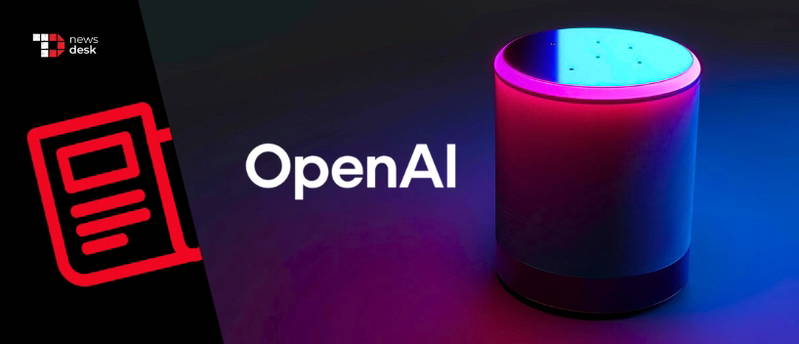
OpenAI is preparing to make its first major move into consumer hardware with the development of a screen-free, AI-powered smart speaker, according to a Bloomberg News report published on Tuesday.
The device, which is expected to be powered by ChatGPT, marks the artificial intelligence company’s entry into the smart home market and signals an expansion beyond software into physical consumer products.
News of the project triggered an immediate reaction in financial markets. Shares of audio equipment maker Sonos fell by as much as seven per cent following the report, reflecting investor concerns over increased competition. Apple’s shares, however, remained largely unchanged.
Unlike conventional smart speakers, OpenAI’s planned device is expected to focus on proactive artificial intelligence capabilities. Rather than simply responding to voice commands, the speaker is reportedly being designed to anticipate users’ needs by learning their habits over time and offering relevant information before being prompted.

The device is also expected to function as a central smart home hub, enabling users to control connected household appliances through voice commands. In addition, it is expected to play audio, answer complex queries and assist with drafting and responding to messages.
The emphasis on continuous learning is intended to deliver a highly personalised experience, allowing the device to develop a deeper understanding of individual users and provide increasingly tailored assistance.
OpenAI’s move into hardware comes as the company is reportedly preparing for a widely anticipated initial public offering (IPO) in the coming months, broadening its commercial ambitions beyond artificial intelligence software and services.
The planned launch is expected to intensify competition in the smart speaker market, where Amazon, Alphabet and Apple have established strong positions through products such as Alexa, Google Assistant and HomePod.
The development also comes against the backdrop of growing legal tensions between OpenAI and Apple. According to the report, Apple recently filed a lawsuit alleging the misappropriation of trade secrets by OpenAI.
Despite the legal dispute, sources familiar with the matter said OpenAI remains confident that its proposed screen-free speaker is sufficiently distinct from Apple’s existing products and does not infringe the company’s intellectual property.
If launched as reported, the device would represent one of OpenAI’s most significant strategic expansions to date, positioning the company to compete not only in artificial intelligence software but also in the rapidly evolving consumer hardware market.