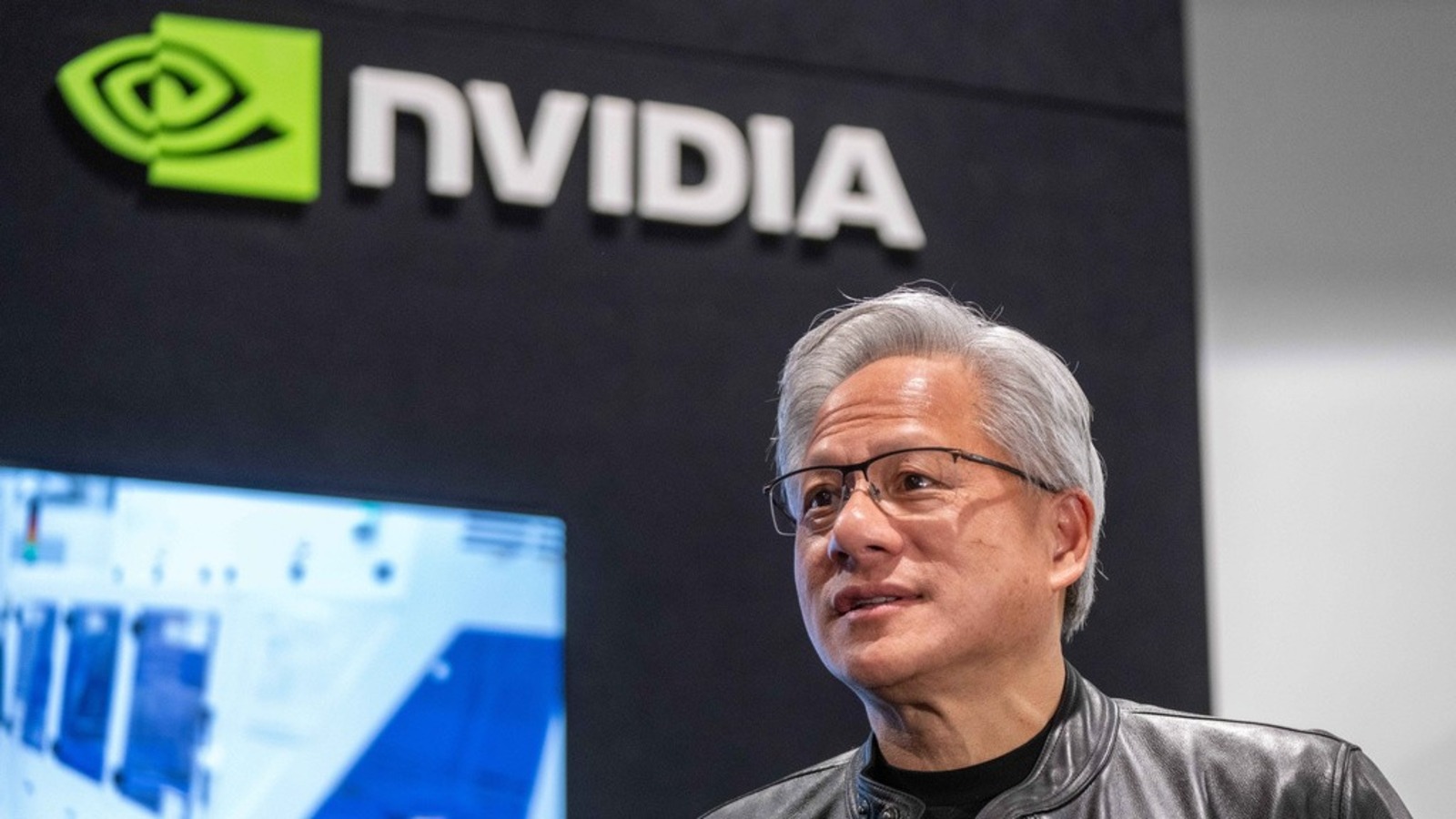
Nvidia has highlighted the growing adoption of open-source artificial intelligence (AI) models by telecommunications operators seeking greater control over network automation, sensitive data and customer workflows.
In a blog post, the company said operators including SoftBank Corp, AT&T and Indosat Ooredoo Hutchison were increasingly deploying open models alongside proprietary systems to retain visibility over sensitive network data and customise AI tools to meet their operational needs.
The shift reflects a broader change in the telecommunications industry, where operators are adopting multiple AI models to balance performance, cost and control rather than relying on a single system.
Nvidia cited findings from its State of AI in Telecommunications 2026 survey, which found that 89 per cent of operators considered open-source software critical to their AI strategies.

The company attributed the growing interest partly to independent benchmarks indicating that open models were narrowing the performance gap with proprietary systems in reasoning, coding and autonomous network triage.
Under the emerging approach, operators reserve expensive proprietary models for complex tasks where closed platforms retain an advantage, while using lower-cost open foundation models for routine operations.
SoftBank, for instance, has used Nvidia’s Nemotron family as the foundation for its Large Telecom Model, incorporating years of internal operational data to develop a system tailored to its network requirements.
Rajeev Koodli, principal fellow at SoftBank and senior vice-president of SB Telecom America, said open models enabled the company to benefit from rapid global advances in AI while drawing on its accumulated network expertise.
AT&T is also pursuing a multi-model strategy, matching different AI systems to specific operational requirements.
The company’s chief data and AI officer, Andy Markus, said its objective was to intelligently match “every workload to the right combination of performance, cost and control”.
Meanwhile, Indosat Ooredoo Hutchison has adapted open models to reflect Indonesian language and culture, demonstrating how operators can customise AI systems to their local markets.
The developments underscore the growing role of open models in telecommunications, as operators seek to combine advances in AI with greater flexibility over how the technology is deployed and used.