The Bank of Ghana (BoG) is developing a Stablecoin Directive to establish clear requirements for stablecoin activities in the country as part of efforts to strengthen the regulation of the emerging virtual asset ecosystem.
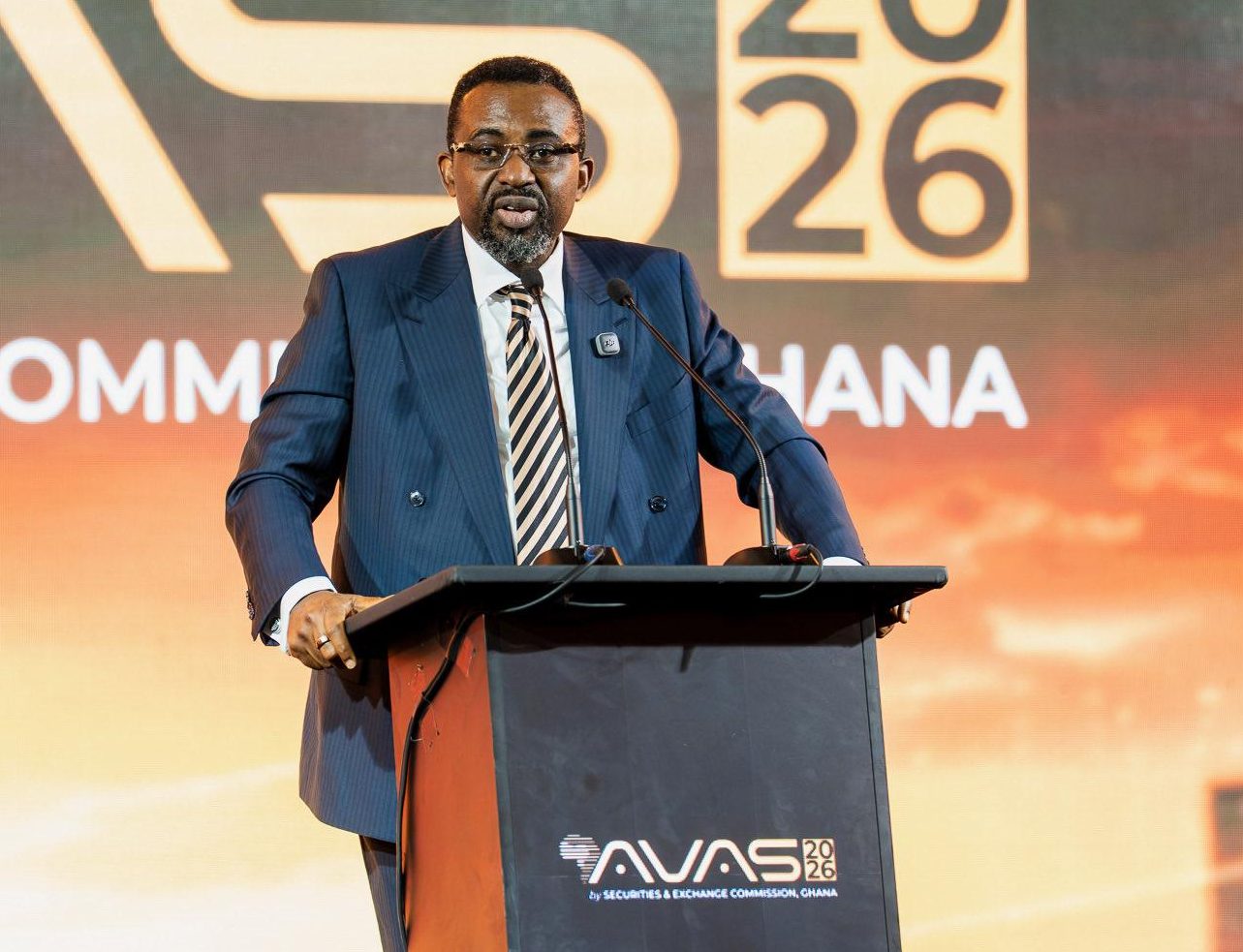
Governor of the Bank of Ghana, Dr Johnson Pandit Asiama, said the directive would provide regulatory clarity for permitted stablecoin activities while ensuring that innovation in digital finance does not undermine monetary and financial stability.
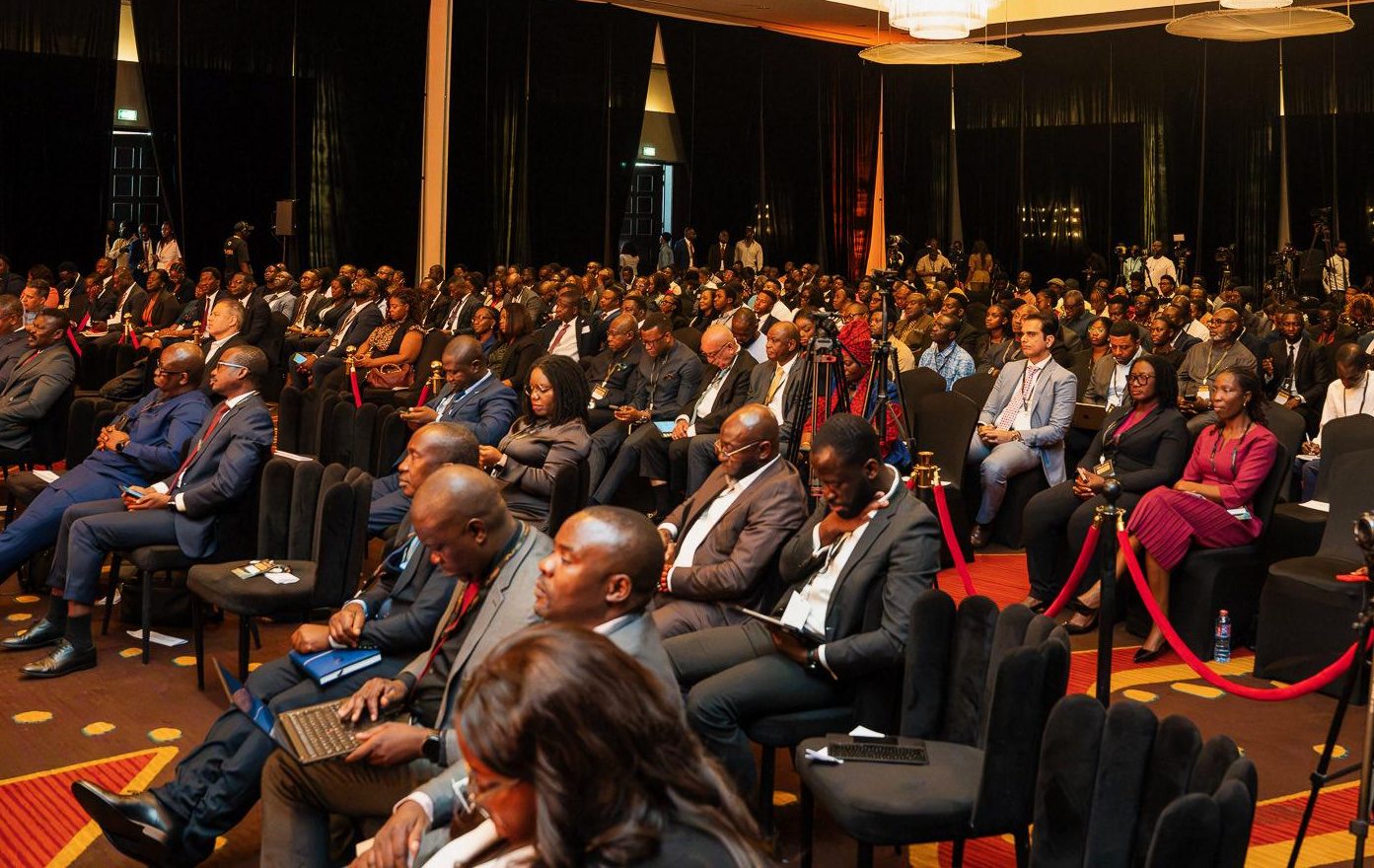
Speaking at the Africa Virtual Assets Summit in Accra, Dr Asiama said the central bank was working closely with the Securities and Exchange Commission (SEC) and the Financial Intelligence Centre to develop the necessary regulatory instruments and supervisory arrangements for the sector.
He said the growing adoption of stablecoins, particularly those denominated in foreign currencies, could have implications for monetary sovereignty, currency substitution, capital flows and the effectiveness of monetary policy.

Dr Asiama stressed that the Bank of Ghana’s responsibility for price stability and the soundness of the financial system remained critical despite technological developments.
He said the objective was to build a financial system that was innovative and efficient while maintaining public confidence, protecting consumers and investors, and safeguarding the stability of the Ghanaian cedi.
The Governor described the passage of the Virtual Asset Service Providers Act, 2025 (Act 1154) as a significant milestone in establishing a dedicated legal framework for virtual assets, with coordinated regulatory responsibilities assigned to the Bank of Ghana and the SEC.
However, he said legislation was only the beginning, adding that its effectiveness would depend on translating the law into a credible and enforceable regulatory framework that gives responsible businesses and investors the certainty to operate and invest.
The inauguration of the Virtual Assets Coordinating Committee, he added, provides an important platform for cooperation among relevant public institutions.
Dr Asiama said virtual assets and tokenisation could help address longstanding challenges in African financial markets, including limited access to capital, high transaction costs, fragmented financial infrastructure and barriers to cross-border payments and investment.
He identified faster and cheaper diaspora remittances, improved digital settlement for trade under the African Continental Free Trade Area (AfCFTA), and expanded financing opportunities for small businesses as potential benefits.
On tokenisation, the Governor explained that representing ownership or rights to assets such as securities, commodities and trade receivables in digital form could help small exporters secure financing earlier and at lower costs.
It could also reduce settlement times from days to minutes and create additional channels through which smaller enterprises could raise capital.
Dr Asiama cited Ghana’s mobile money adoption as evidence of the country’s capacity to embrace financial technology at scale, noting that platforms processed more than one billion transactions valued at approximately GH¢519 billion in August 2026 alone.
He said the next phase of the country’s digital financial transformation should focus on using emerging technologies to solve real economic problems rather than treating virtual assets and tokenisation as ends in themselves.
While acknowledging their potential, he cautioned that the sector required appropriate safeguards, including consumer and investor protection, the safeguarding of customer assets, financial integrity and sound connections with the traditional financial system.
He maintained that regulation should not be unnecessarily restrictive, arguing that different virtual asset activities presented different levels of risk and should be regulated according to their nature, scale and complexity.
Dr Asiama said Ghana’s ambition was to develop a more inclusive, efficient and resilient financial system in which traders, cocoa farmers and technology developers could benefit from faster, cheaper and safer financial services.
He said the country’s collective responsibility was not merely to establish a digital asset market but to build an ecosystem that was safe enough to earn public trust, inclusive enough to serve the population and innovative enough to support Africa’s future.