Amazon has reportedly beat Wall Street’s first-quarter earnings expectations, offering more financial evidence that the AI boom continues to reward companies investing in AI.
The newest example is Amazon’s cloud business. Amazon Web Services (AWS) said its net sales increased by 28% year over year to $37.6 billion, driven by its contribution to the AI boom.
During the company’s earnings call, Andy Jassy, president and CEO of Amazon, stated that it was the fastest growth rate for AWS in fifteen quarters.
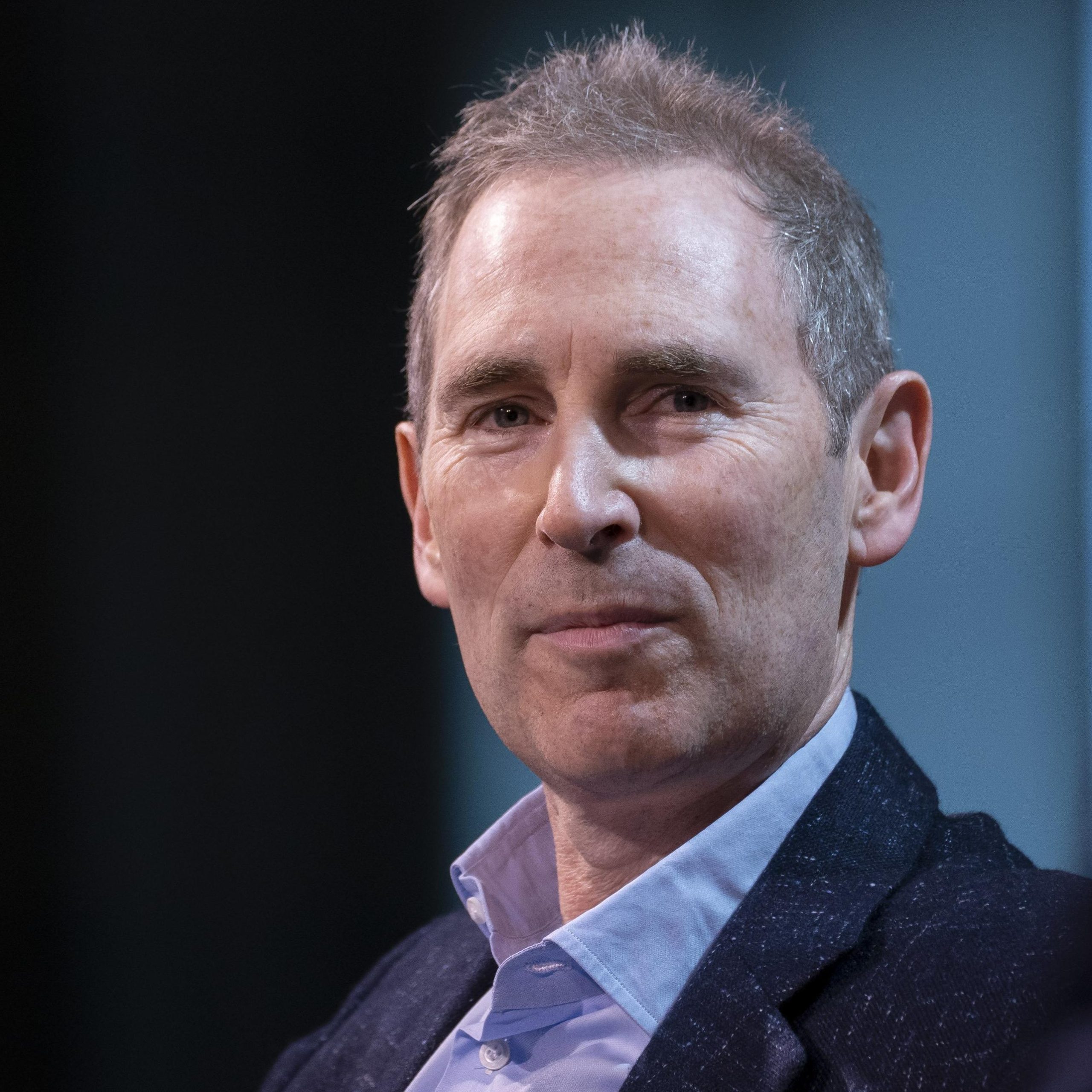
According to Jassy, AWS’s success can be linked to its position in supplying compute to the AI sector.

It is highly uncommon for a business to expand thus quickly on such a huge basis. AWS was almost half the size the last time we witnessed growth at this speed, according to Jassy. “AI is the fastest-growing technology we have ever seen. Businesses continue to select AWS for AI, and Amazon is now a leader.
Jassy contrasted the rise of the business unit with the aughts. “To put our growth in perspective, three years after launch, AWS’s revenue run rate was $58 million. [During] the first three years of this AI wave, AWS’s AI revenue run rate is over $15 billion — nearly 260 times larger.”
Amazon is investing ever-larger sums of money in developing the infrastructure that underpins its cloud business, even as money continues to pour into it. Jassy stated on Wednesday that the growth in capital expenditures would continue for some time to come.
”We will spend more on short-term capital expenditures as AWS grows faster,” he stated. “AWS must pay for land, electricity, buildings, chips, servers and networking equipment before we can start making money from it.”
Asserting that these capital expenditures finance assets like data centres that endure more than 30 years or chips, servers and networking equipment that have a useful life of five to six years, Jassy positioned these investments as short-term cash burn for a long-term payback.
He made an effort to allay investor concerns about the e-commerce behemoth’s excessive infrastructure spending. Additionally, he gave more than a clue about how that type of expenditure might impact free cash flow.
”The early years, free cash flow is challenged in times of very high growth like now, where the capex growth meaningfully outpaces the revenue growth,” he stated.
The decline in free cash flow is reflected in Amazon’s first-quarter earnings report.
The business said that free cash flow dropped to $1.2 billion for the previous 12 months, mostly due to a $59.3 billion year-over-year (YOY) rise in property and equipment investments, much of which had to do with artificial intelligence. Compared to its free cash flow of $25.9 billion in the first quarter of 2025, that is a 95% decrease.
”We experienced this cycle with the initial significant AWS growth wave, and we are pleased with the outcomes. He continued, “We anticipate feeling similarly about this next wave with significantly larger potential downstream revenue and free cash flow.
On a year-over-year basis, the e-commerce behemoth’s total revenues increased by 17% to $181.5 billion. According to the corporation, sales increased by 12% in North America and 19% globally.