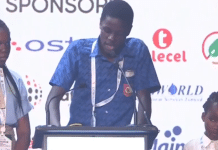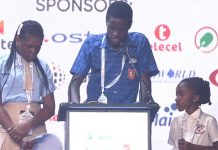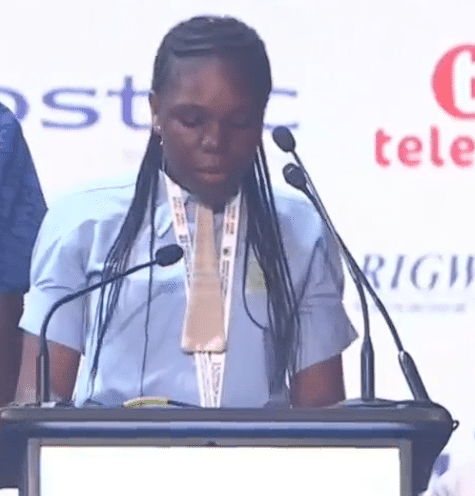
Children and young people at the 15th Africa Internet Governance Forum have called on technology companies to expand support for African languages across digital platforms, artificial intelligence tools, online safety systems and educational resources.
They argued that the limited availability of African languages online continues to create barriers for children seeking information, reporting abuse and participating fully in the digital economy.
The demand formed part of a declaration presented by children aged between eight and 17 from different African countries and communities during the forum.
One of the students, Ariella Eli Donkor, said every child should be able to use the internet confidently in the language they speak and understand.

She explained that when African languages are poorly represented online, children may struggle to access educational materials, communicate their experiences and report harmful behaviour.
The declaration also warned that online bullying, threats and scams communicated in local languages could be difficult for safety systems that are designed primarily around a limited number of major international languages to detect.
The children therefore urged technology companies to improve African language support in reporting tools, translation services, search engines, online safety systems and artificial intelligence applications.
They also called for companies to work with African language speakers and local experts to ensure that cyberbullying, threats and fraudulent activities communicated in indigenous languages are properly identified and addressed.
Beyond technology companies, the children urged governments, schools, libraries and community organisations to support the creation and translation of accurate educational materials into African languages.
They also encouraged young people to produce digital stories, videos and learning resources in their own languages, with appropriate support and recognition.
To ensure that these commitments produce measurable results, the declaration proposed that technology companies and relevant institutions regularly report the number of African languages supported by their reporting tools and educational platforms.
The children linked language inclusion to the broader challenge of unequal internet access across the continent.
They noted that while some children have reliable internet connections and personal digital devices, others depend on shared mobile phones, struggle to afford data or live in communities with unreliable electricity and internet infrastructure.
They called on governments, telecommunications companies and development partners to work towards affordable and reliable internet access, particularly in rural and underserved communities.
The proposed interventions include expanding community Wi-Fi, providing safe internet access in schools and public learning centres, and exploring solar-powered connectivity solutions in areas with limited electricity.
The children also called for shared digital devices, downloadable lessons and educational kits that can function offline.
They stressed that children with disabilities, those affected by emergencies and displacement, and others facing barriers to internet access must receive particular attention.
The declaration maintained that digital inclusion should not be determined by a child’s geographical location, family income or ability to speak a widely used international language.
The young participants said an inclusive digital environment must recognise Africa’s linguistic diversity while ensuring that every child has an opportunity to learn, communicate and contribute online.