Children and young people from across Africa have called on governments and technology companies to strengthen online safety protections, introduce child-friendly reporting systems and respond promptly to reports of serious harm on digital platforms.
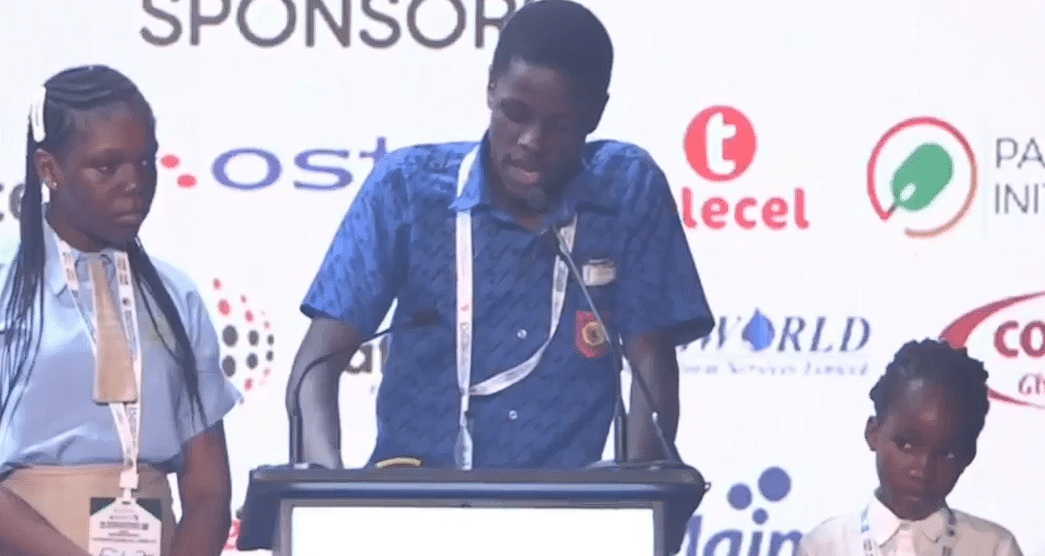
The children, aged between eight and 17, made the demands at the 15th Africa Internet Governance Forum, where they presented a declaration outlining measures they believe are necessary to make the internet safer and more inclusive for children across the continent.
Presenting the declaration, Herbert Osei Gyebi said children deserved to enjoy the benefits of the digital world without being exposed to exploitation, harmful content, scams, cyberbullying and violations of their privacy.
He explained that although the internet had become an important platform for learning, communication, creativity and discovering new opportunities, it also exposed children to risks that could affect their safety and well-being.

The children therefore called on African governments to enact and enforce laws that protect minors from online exploitation, harmful content and privacy abuse without unnecessarily restricting their access to information and educational opportunities.
They also urged technology companies to make reporting tools easier to locate and use, including providing services in African languages.
The declaration further called for simple privacy settings that children could understand and control, alongside child-friendly search tools capable of filtering harmful content.
The young participants also proposed that digital platforms should consider users’ ages when determining the services and online experiences available to them, arguing that younger children should not be treated in the same way as older teenagers.
They called on platforms to introduce reasonable automatic sign-out periods to protect children’s accounts and prevent prolonged online activity.
Another major demand was for technology companies to review urgent reports of serious harm within 24 hours where possible and communicate the outcome in language children could understand.
The declaration also urged governments, telecommunications companies and child protection organisations to collaborate on an untrusted child safety helpline, including free telephone or USSD reporting options that would function without mobile internet access.
The children stressed that protecting minors online should not mean automatically preventing them from accessing useful information or seeking assistance.
They further called for stronger measures against cyberbullying and the circulation of manipulated photographs, videos and deepfakes, warning that such content could cause fear, embarrassment and emotional distress.
The declaration urged schools to establish clear policies against cyberbullying and ensure that affected children could report incidents privately without fear of punishment or further victimisation.
The young participants maintained that governments, technology companies, schools, parents and communities must share responsibility for creating a safer digital environment.
They insisted that children should not be left to navigate online risks without adequate institutional protection and support.