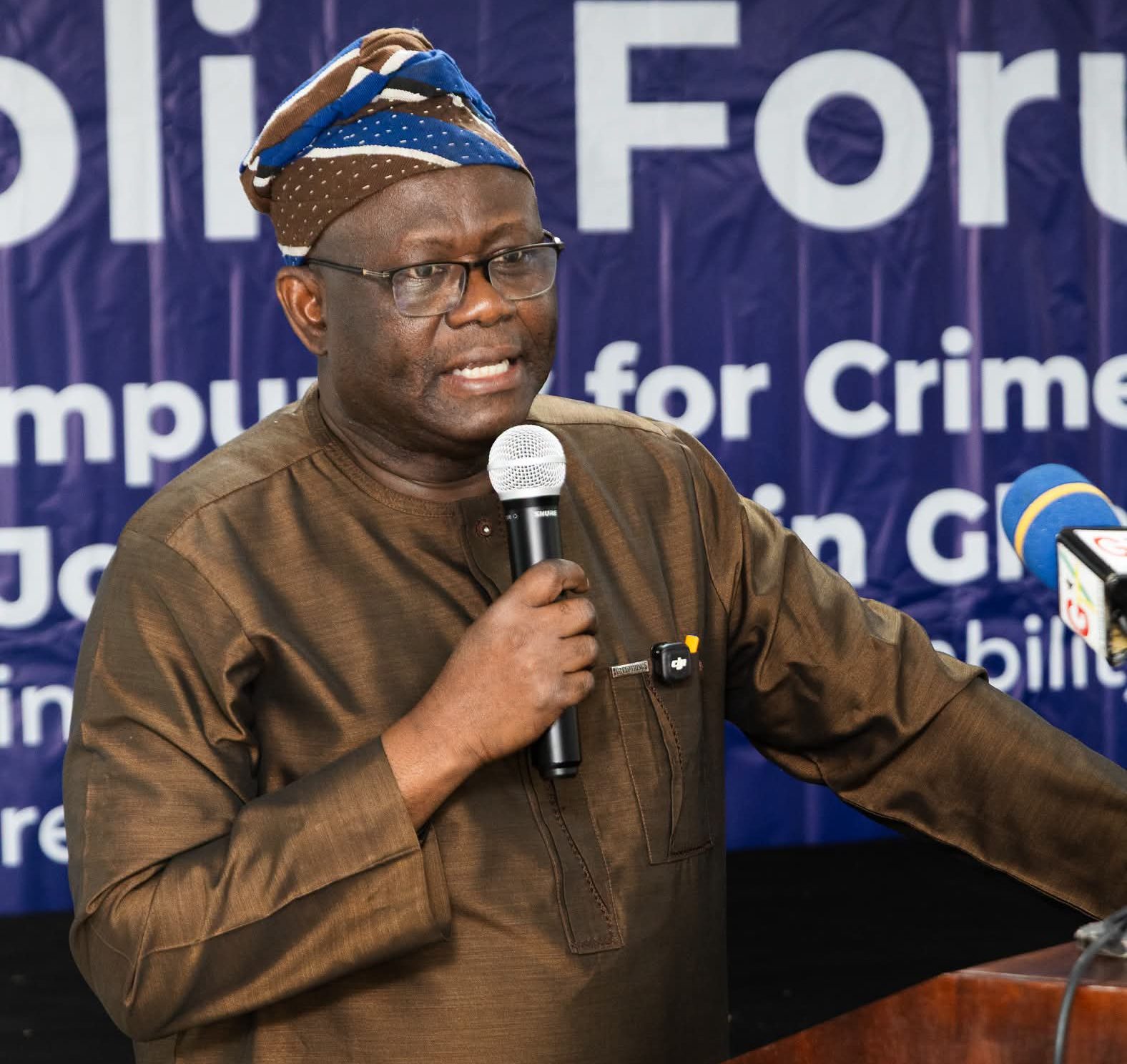
Prof Amin Alhassan, Director-General of the Ghana Broadcasting Corporation (GBC), has called on the government to introduce net neutrality policies and regulations to prevent telecommunications operators from giving preferential treatment to their own digital content platforms.
He warned that the growing involvement of network operators in content distribution could threaten the sustainability of media organisations if appropriate regulatory measures were not introduced.
Speaking at the launch of the Model Safety of Journalists Policy in Accra, Prof Alhassan said media organisations risk losing their audiences and revenue to technology platforms with significantly lower operational costs.
“The effect of this is that, in the next 10 years, nobody may come to us anymore. They will go directly to the technology platforms,” he said.

He cited MTN’s plan to launch its own content application next year, announced at a conference organised by GBC for broadcasters in West Africa, as an indication of the changing media landscape.
Prof Alhassan said Ghana should learn from countries such as the United Kingdom, the United States and Canada, where net neutrality policies have been introduced to prevent network operators from favouring their own applications over competing services.
He explained that network operators could potentially use algorithms or other technical arrangements to make applications belonging to media organisations less accessible while ensuring their own platforms function more efficiently.
Using MTN as an example, he said a subscriber could experience difficulties accessing the GBC application while applications owned by the network operator work seamlessly.
He described such practices as discriminatory and stressed that net neutrality regulations were necessary to ensure fair access to digital platforms.
According to him, Ghana currently has no such policy, making it important for stakeholders to begin discussions and develop appropriate regulatory frameworks before the situation becomes a major challenge for the media industry.
He drew parallels with developments in the financial sector following the emergence of mobile money services alongside traditional banking institutions, warning that journalism could face similar disruptions if preventive measures were not considered.
Prof Alhassan therefore called on the GBC and the Ghana Journalists Association (GJA) to lead discussions with the Minister to develop measures that would protect media organisations and promote fairness in the digital content distribution market.
Beyond the regulatory concerns, he emphasised the need for media employers to provide journalists with adequate safety resources, including vehicles for secure movement, protective equipment and sufficient staffing.
He said having adequate personnel was an important component of journalists’ safety, urging media organisations to recognise staffing levels as part of their responsibility to protect journalists.