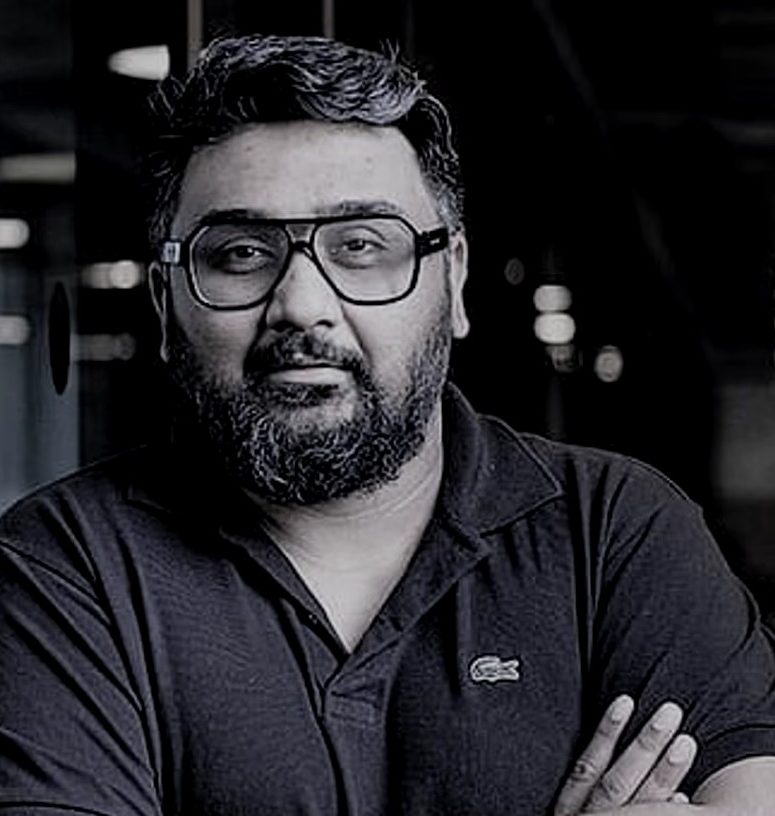
Meta has appointed Indian fintech entrepreneur Kunal Shah to lead WhatsApp, signalling the company’s ambition to strengthen its payments and commerce ecosystem across emerging markets and transform the messaging platform into a broader “superapp”.
Shah, 47, is best known as the founder of Bengaluru-based fintech firm Cred. Despite lacking an engineering background or Silicon Valley experience, he has spent more than two decades building businesses focused on digital payments and consumer behaviour in India.
Announcing the appointment, Meta’s Chief Product Officer, Chris Cox, said Shah possessed a deep understanding of WhatsApp’s global product opportunities. Cox described him as an entrepreneur with remarkable energy and a strong sense of human-centred leadership.
The appointment coincides with Meta’s US$900 million investment in Cred. While Shah will retain his roughly 20 per cent stake in the company, he is expected to step away from day-to-day executive responsibilities.

Meta Chief Executive Mark Zuckerberg praised Shah’s track record, noting that he had built Cred into one of India’s leading technology firms and would bring valuable entrepreneurial experience and global insight to WhatsApp.
Industry observers believe the move reflects Meta’s determination to expand financial services and digital commerce offerings in key growth markets such as India, Brazil and Indonesia. India remains WhatsApp’s largest market, with more than 500 million users.
According to venture capital investor Siddarth Pai, WhatsApp dominates the messaging space and has become a powerful tool for small businesses. However, he argues that payments remain the platform’s weakest area, making Shah’s extensive experience in consumer payments particularly relevant.
Born in Ahmedabad and raised in Mumbai, Shah began working while still a teenager after his family encountered financial difficulties. Unlike many prominent Indian technology leaders, he did not pursue an engineering career. Instead, he studied philosophy at Wilson College before leaving a management programme at Narsee Monjee Institute of Management Studies.
In 2010, Shah founded Freecharge, a mobile recharge platform that was acquired by Snapdeal in 2015 for approximately US$400 million, one of the largest start-up exits in India at the time.
He later launched Cred in 2018 using his own capital. The company initially focused on rewarding affluent consumers with strong credit scores for paying their credit card bills on time. It subsequently expanded into lending, payments, insurance and wealth management services.
For the 2024–25 financial year, Cred reported revenue of 27 billion rupees (around US$313 million) and a loss of 2.9 billion rupees ($161,400,00). The company says it serves 17 million users and processes more than 40 per cent of India’s credit card bill payments.
Early investor Gokul Rajaram credited Shah’s success to his unique understanding of consumer psychology, suggesting that his philosophical background may have contributed to his unconventional approach to product development.
As WhatsApp seeks new avenues for growth, Shah takes charge at a critical moment. In a social media post written in 2018, before WhatsApp Pay launched in India, he argued that platforms with vast distribution networks could successfully integrate payments and eventually dominate the market.
However, significant challenges remain. Despite WhatsApp’s enormous user base, its payments service remains well behind market leaders PhonePe and Google Pay in India. The platform has also faced regulatory scrutiny in India and elsewhere over issues including privacy, data sharing, encrypted communications and competition concerns.
Industry experts believe Shah’s ability to balance product innovation with regulatory requirements could prove invaluable. Shweta Rajpal Kohli, Chief Executive of India’s Startup Policy Forum, said Shah possesses a rare talent for understanding both the regulatory implications of product development and the product implications of regulation.