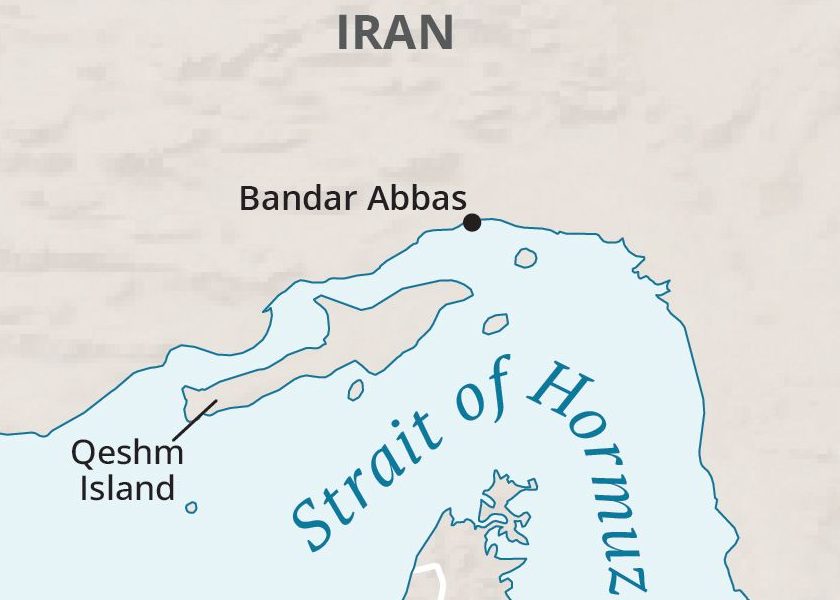
At least eight vessels operated by Japan’s Mitsui OSK Lines (MOL) are making their way out of the Strait of Hormuz, including some of the last oil tankers stranded in the strategic waterway since the outbreak of conflict earlier this year.
The convoy comprises five very large crude carriers (VLCCs), each capable of transporting up to two million barrels of crude oil, alongside two chemical tankers and a car carrier, according to ship-tracking data compiled by Bloomberg and the Equasis maritime database. Several of the vessels had previously attempted to leave the strait before abandoning their voyages.
The latest departures come after Iran tightened its control over the Strait of Hormuz following an interim peace agreement with the United States reached last month. Before the conflict, around one-fifth of the world’s oil shipments passed through the narrow maritime chokepoint.
Over the weekend, a number of tankers halted attempts to transit the strait via a US-managed shipping corridor along the coast of Oman. Some later resumed their journeys using a route closer to Iranian waters after Tehran reiterated that only vessels authorised by Iran would be permitted to pass through the strait.

Should the convoy complete its transit successfully, the number of large crude tankers remaining trapped inside the Persian Gulf will fall to only a handful, compared with more than 100 vessels stranded at the beginning of the conflict in early March.
Mitsui OSK Lines, one of the world’s largest owners of oil and gas tankers, is among several shipping companies that have sought diplomatic support through the Japanese government to secure the safe passage of their vessels. Japan, which relies heavily on imported energy, has repeatedly urged Iran to guarantee freedom of navigation through the Strait of Hormuz.
Japanese officials held several rounds of discussions with their Iranian counterparts during the conflict as Tokyo pressed for the safe movement of commercial shipping through the vital trade route.
MOL said in June that it would only fully resume operations through the Strait of Hormuz once safety conditions had been comprehensively verified, adding that close coordination with governments, insurers and other stakeholders would be essential before normal navigation could resume.