The Nigerian Communications Commission (NCC) has introduced stricter verification requirements for mobile devices entering the country, warning that foreign-used and newly imported phones that fail regulatory checks could be disconnected from local mobile networks.
The measures, which took effect on October 10, 2026, require every newly imported SIM-enabled device to satisfy two conditions: its model must have NCC Type Approval, and the individual handset must be verified through its unique International Mobile Equipment Identity (IMEI) number.
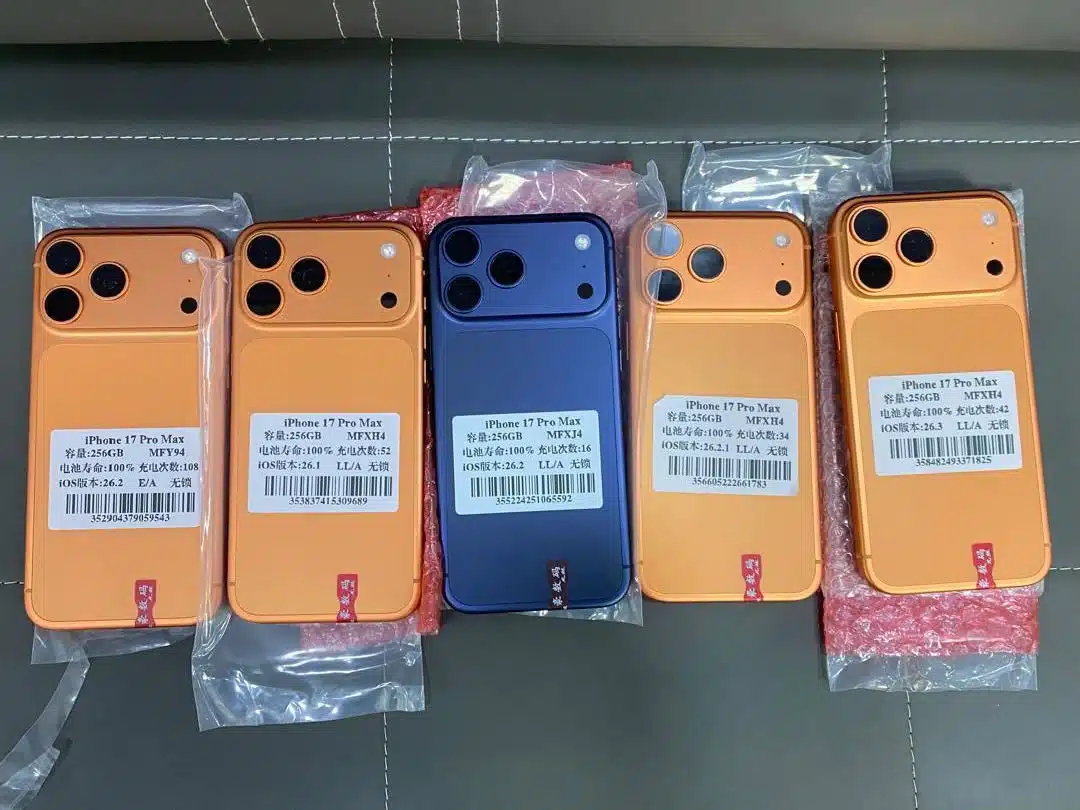
The enforcement framework applies to both brand-new and used phones, including bulk shipments of so-called “London-used” iPhones and other refurbished devices brought into Nigeria for resale.
Since the rollout, the regulator has reportedly been sending text alerts under the sender ID “NCC-Checker” to owners of devices, including iPhones, Google Pixels, TECNO, Infinix and Oukitel models, advising them to contact their sellers or dial 315 for verification.

Devices that fail the required checks could face disconnection from Nigerian mobile networks after 30 cumulative days.
According to the NCC, the enhanced Device Checker and Type Approval Compliance framework is intended to tackle counterfeit, substandard, cloned and stolen devices while improving the quality and security of telecommunications services.
The regulator’s guidance makes clear that the requirement is based on when a device enters Nigeria rather than whether it is new or used. Consequently, importers bringing used phones into the country after the October 10 rollout are also expected to comply.
However, phones already active on Nigerian networks before the implementation are largely exempt from the new verification process. Reports by Nigeria Communications Week indicate that approximately 231 million existing devices were automatically captured without requiring owners to take additional steps.
The NCC has divided the compliance responsibilities between businesses importing devices for commercial purposes and individuals bringing phones into the country for personal use.
Manufacturers, importers, suppliers and other businesses placing devices on the Nigerian market are responsible for ensuring that the models have received Type Approval and that individual handsets have been verified before sale.
Individuals travelling into Nigeria with phones for personal use follow a separate procedure. Visitors bringing devices that have never been used on Nigerian networks can use them for up to 30 cumulative days within a year without completing the verification process.
For consumers purchasing second-hand phones within Nigeria, the NCC says no additional action is required from existing owners. However, it advises prospective buyers to verify a device’s status before making payment, warning that previous network use does not automatically guarantee compliance.
The commission has also partnered with the Nigeria Customs Service to intercept non-compliant devices at the country’s borders before they reach retailers and distributors.
Edoyemi Ogoh, the NCC’s Director of Technical Standards and Network Integrity, said type approval was an important consumer protection measure rather than merely an administrative requirement.
The regulator further warned against unauthorised changes to IMEI numbers, which could be used to disguise counterfeit or stolen devices. Under the enforcement framework, stolen phones can be blocked across Nigerian mobile networks after a theft report and verification of ownership.
The NCC has clarified that a failed verification result does not automatically mean a device is counterfeit. It is advising consumers to seek clarification from sellers and avoid paying for devices until unsuccessful verification results have been resolved.
Consumers can check their devices by dialling *315# and selecting option one, labelled “Check this device”, or by using the commission’s online Device Checker portal.
The verification framework also extends beyond mobile phones to include point-of-sale terminals, modems, routers, cellular tablets and Internet of Things devices that connect to Nigerian telecommunications networks.
The NCC has sought to address privacy concerns surrounding the system, stating that it does not track users’ locations or access personal messages, photographs or financial information. It says the system is designed solely to verify device compliance.
The enforcement measures build on the Device Management System launched in 2024, which provides a central register of device IMEI numbers and synchronises information with international databases.
The commission’s authority to enforce Type Approval requirements is grounded in Section 132(2) of the Nigerian Communications Act, 2003, while its Type Approval Business Rules were introduced in August 2024.
The latest measures are expected to place greater responsibility on phone importers and dealers, particularly those involved in the foreign-used handset market, to ensure that devices entering Nigeria meet the country’s regulatory requirements.