SpaceX has successfully deployed its first batch of upgraded Starlink V3 satellites during the 13th test flight of its Starship rocket, marking another milestone in the company’s efforts to make the fully reusable launch system operational by the end of 2026.
The 400-foot Starship lifted off from SpaceX’s Starbase facility in Texas at about 6:50 p.m. ET on Friday for a mission lasting approximately one hour.
During the flight, Starship released 20 Starlink V3 satellites, which are designed to deliver higher bandwidth and faster internet speeds than previous generations. The satellites briefly connected to SpaceX’s existing constellation of around 10,000 spacecraft before following the rocket’s suborbital trajectory back into Earth’s atmosphere, where they burned up as planned. The exercise enabled the company to validate satellite deployment and network connectivity systems.
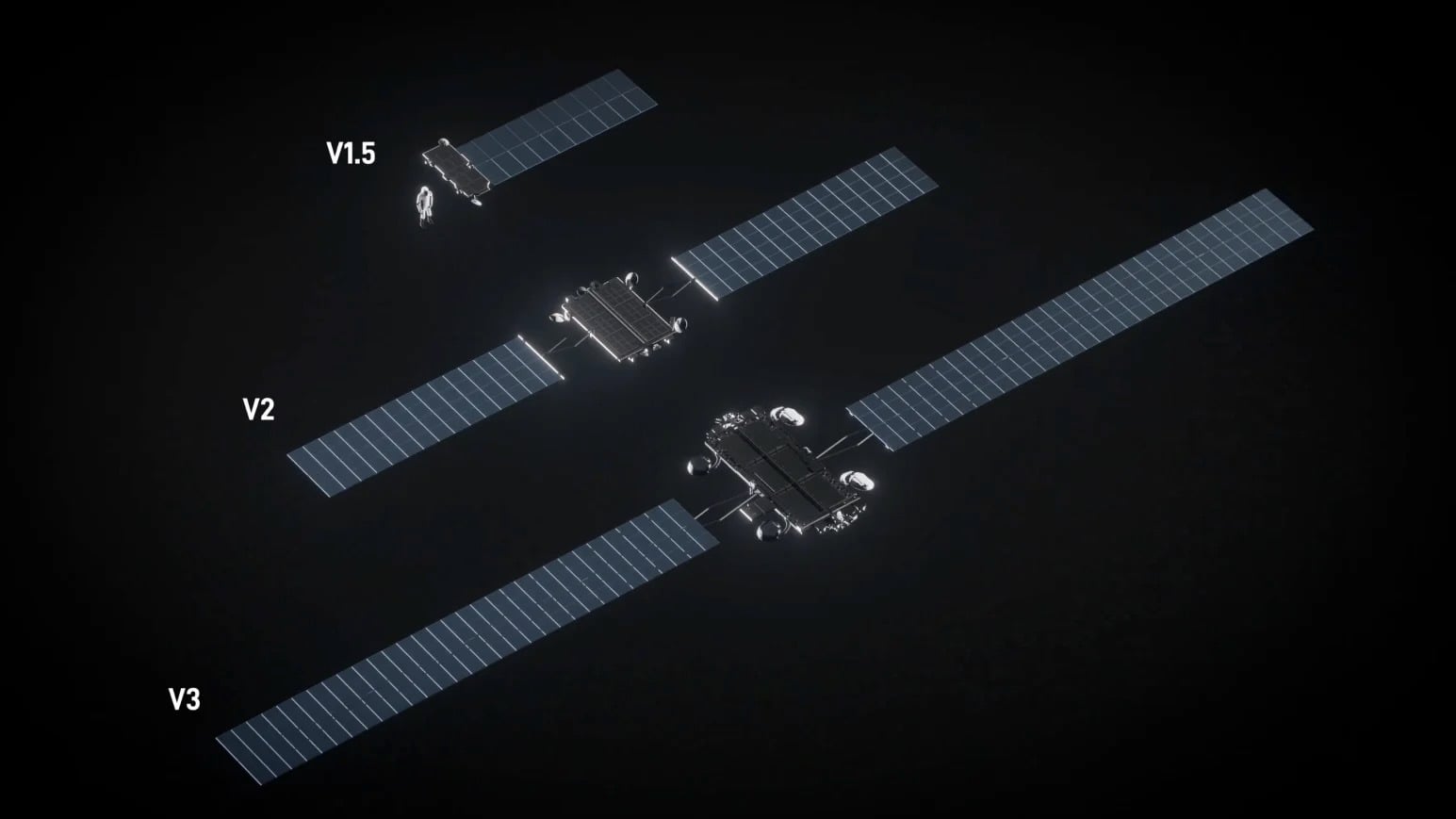
The test flight featured an upgraded version of Starship that is expected to play a central role in expanding the Starlink broadband network, supporting NASA’s planned return of astronauts to the Moon by 2028 and deploying future artificial intelligence processing satellites in orbit.

The upper-stage spacecraft completed atmospheric re-entry with only limited visible damage to its heat shield, representing an improvement over previous missions. It then successfully restarted its engines, executed its landing manoeuvre and splashed down in the Indian Ocean.
The landing sequence was designed to simulate future return operations, with SpaceX ultimately aiming to bring Starships back for landings in Texas. Chief Executive Elon Musk has said the company intends for the fully reusable launch system to achieve aircraft-like launch and turnaround frequencies.
However, the Super Heavy first-stage booster experienced difficulties during its descent after five of its engines failed to restart for the landing burn. As a result, the booster struck the Gulf of Mexico at a higher speed than planned, resulting in another hard splashdown.
The outcome represented only a modest improvement from Starship’s previous test flight in May, when four engines failed to relight before the booster impacted the water. SpaceX had hoped to achieve a softer splashdown during Friday’s mission.
The company plans to begin operational Starlink launches using Starship before the end of 2026.
The Starlink V3 satellites are expected to significantly increase network capacity and support direct-to-mobile connectivity, enabling ordinary mobile phones to access satellite services in areas without conventional terrestrial network coverage.