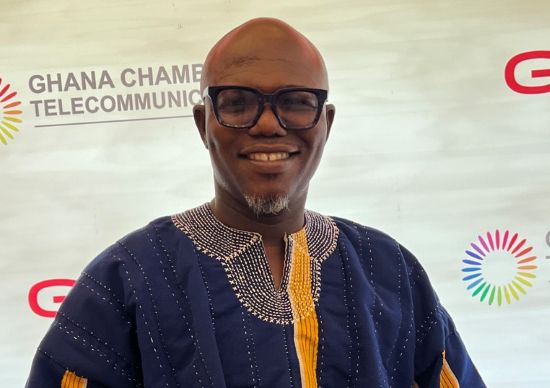
Editor-in-Chief of Techfocus24, Samuel Nii Narku Dowuona has defended the newly introduced charges on wallet-to-bank account transfers by MobileMoney Fintech Limited (MMFL), arguing that the fee is justified despite concerns over its potential impact on financial inclusion.
In a detailed Facebook post, the multiple-award-winning tech journalist said the decision by MMFL to introduce a 0.75% fee capped at GHS5 on wallet-to-account transfers through MTN’s push-and-pull platform had already received approval from the Bank of Ghana, the regulator of the country’s mobile money industry.
Mr Dowuona noted that wallet-to-bank transfers conducted through the GhIPSS mobile money interoperability gateway already attract fees a 0.75% fee capped at GHS7.5, making the proposed MTN charge capped at GHS5 comparatively lower.
The announcement has generated criticism from some consumers who argue that introducing additional transfer fees contradicts the broader push for affordable digital financial services and financial inclusion.

According to critics, mobile money operators should instead focus on generating revenue from payment innovations and value-added services rather than charging users for transfers.
Mr Dowuona, however, argued that the concerns may be overstated because wallet-to-bank transfers account for less than five per cent of transactions within the ecosystem, meaning the overall impact on the public would likely be insignificant.
Reliable sources at MMFL, for instance said that out of over 23 million monthly transactions on its platform, less than 0.01% are wallet to account transfers.
The tech journlaists also pointed out that bank-to-wallet and bank-to-bank transfers have long attracted fees, often at a rate of around one per cent without a cap, questioning why similar charges on wallet-to-bank transfers are being treated differently.
According to him, the new charges are partly intended to help MMFL recover the costs associated with mobilising deposits into mobile wallets.
He explained that mobile money operators currently pay agents around 0.5 per cent for every cash deposit made into a wallet, even though customers are not charged for depositing funds.
Mr Dowuona stated that when customers subsequently transfer those funds out of the mobile money ecosystem into bank accounts, operators are left bearing the cost of mobilisation without adequate compensation.
He further argued that banks benefit significantly from mobile money deposits because the actual cash backing digital wallet balances is held within the banking system, where banks invest the funds and earn interest.
“Mobile money operators, particularly MMFL, mobilise more cash for the banks than even the banks do by themselves,” he said, adding that banks profit from those deposits while mobile money operators receive only a limited share of the returns.
Mr Dowuona suggested that public debate should instead focus on whether banks ought to provide mobile money operators with a larger share of the profits generated from invested deposits or compensate them for wallet-to-account transfers, similar to how banks compensate one another in card and POS transactions.
He also questioned why banks continue to charge customers for bank-to-wallet transfers, arguing that such fees place a heavier burden on users than the proposed wallet-to-bank charges by MMFL.
The debate comes as Ghana continues to pursue deeper digital financial inclusion through initiatives such as GhanaPay, a bank-backed mobile wallet platform introduced to encourage low-cost and zero-rated digital money transfers.