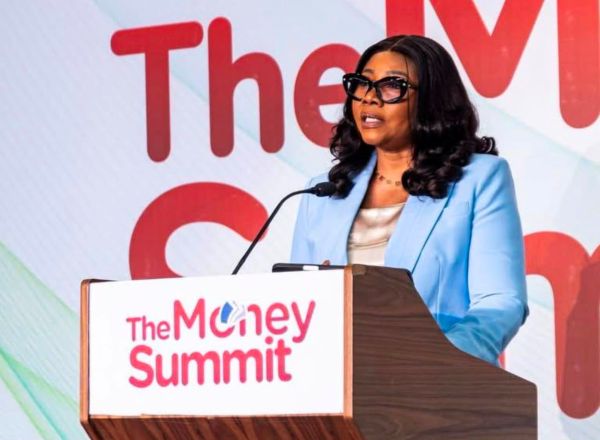
Second Deputy Governor of the Bank of Ghana, Matilda Asante-Asiedu, has cautioned that Ghana’s hard-won economic stability remains fragile and must be carefully protected against emerging global and domestic shocks.
Delivering a keynote address at The Money Summit in Accra, she stressed that while the country has made significant progress in stabilising the economy, sustaining those gains will require discipline, vigilance and collective responsibility.
“Stability secured is different from stability sustained,” she stated, warning that geopolitical tensions, global oil market volatility and policy complacency could easily derail progress.
According to her, Ghana’s recent macroeconomic improvements have been remarkable. Headline inflation has dropped sharply from 23.8 per cent at the end of 2024 to about 3.4 per cent by April 2026, while food inflation has declined significantly, easing pressure on households.

She added that interest rates have also fallen, with the monetary policy rate dropping from 27 per cent to 14 per cent, alongside a steep decline in treasury bill rates and lending rates — developments she said are critical for business growth.
“Our economy is well and stable,” she declared, noting that the pace of recovery reflects strong institutional resolve and policy discipline.
However, she emphasised that the gains remain vulnerable if not properly anchored, particularly as Ghana transitions from the IMF-supported programme to a non-financing Policy Coordination Instrument (PCI).
“This transition is no longer about borrowing. It is about monitoring our own reforms and maintaining credibility through consistent policy actions,” she explained.
She warned that without sustained discipline, the country risks reversing its gains, stressing that stability must now become a long-term commitment rather than a short-term achievement.
Mrs Asante-Asiedu concluded by urging all economic actors – government, businesses and financial institutions – to play their part in protecting Ghana’s economic recovery.
“Our charge now is to sustain stability, and that responsibility does not rest with the Bank of Ghana alone,” she said.