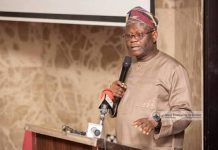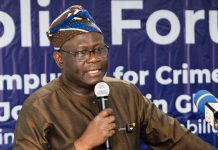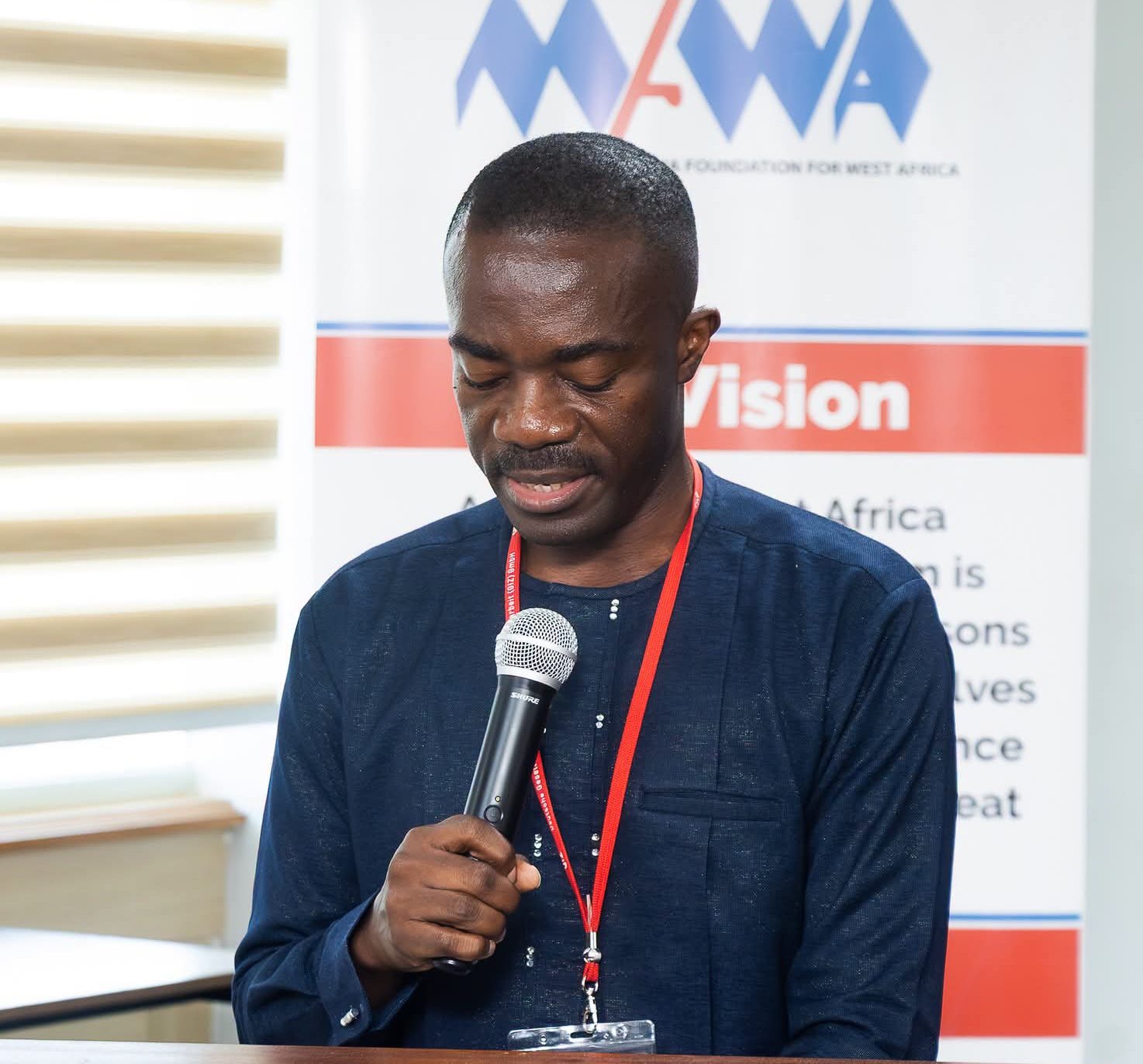
Kweku Lartey Obeng, Head of Component, PAIReD, GIZ Ghana, has urged media owners and editors to adopt the Model Safety of Journalists Policy to strengthen the protection of journalists and promote accountability in Ghana’s media landscape.
He said media organisations must assign clear responsibilities and provide the necessary resources to implement the policy, which seeks to address threats to journalists both within newsrooms and in the external working environment.
Speaking at the launch of the Model Safety of Journalists Policy in Accra, Mr Obeng said journalist safety was essential to accountable governance, particularly in promoting accountability reporting, media freedom and the rule of law.
He explained that the policy was developed through a partnership between GIZ and the Media Foundation for West Africa (MFWA) under a project titled Countering Corruption Through Active Journalism and Improved Freedom of Expression Environment in Ghana.

The programme, co-financed by the European Union and the Swiss Embassy and implemented by GIZ in cooperation with Ghana’s Ministry of Finance, seeks to strengthen accountable governance by supporting investigative journalism, advocacy and the protection of journalists under threat.
Mr Obeng said journalist safety had two interconnected dimensions: internal protection within media organisations and external protection involving security services, political actors, communities and justice institutions.
On internal protection, he said media organisations must establish systems that enable journalists to undertake investigations safely, including conducting risk assessments before assignments, providing support when threats arise and establishing secure channels for sources.
He noted that many media organisations in Ghana lacked such policies, according to a study conducted as part of the development of the Model Safety of Journalists Policy.
He said the new policy would help establish a framework for addressing these gaps and strengthen the responsibility of newsrooms to protect their journalists.
On the external dimension, Mr Obeng emphasised that the conduct of security services, political actors, communities and justice institutions played an important role in determining whether journalists could work safely and whether attacks against them resulted in consequences.
He said efforts to improve journalist safety must therefore address both newsroom practices and the broader environment in which journalists operate.
Reflecting on the persistent threat of attacks against journalists, he cited the unresolved killing of investigative journalist Ahmed Suale in 2019 as a reminder of the need to ensure justice for media practitioners.
He said the case highlighted the importance of creating an environment in which journalists could seek information and inform the public without fearing for their lives.
Mr Obeng reaffirmed GIZ’s commitment, on behalf of its partners, to supporting media protection in Ghana and building the capacity of journalists through its collaboration with the MFWA.
He also urged institutions represented at the launch to recognise their role in ensuring journalist safety and take practical steps to support the policy’s implementation.
He expressed the hope that progress would be made in the adoption of the policy before stakeholders reconvened next year.