Ghana has launched a five-year national strategic plan to reduce exposure to harmful heavy metals in food and strengthen food safety across the country.
The National Strategic Plan for Heavy Metals Reduction in Food (2026–2030) targets contaminants including lead, cadmium, mercury and arsenic, which can enter the food system through environmental contamination, agricultural practices, processing and packaging.
Children and pregnant women are particularly vulnerable to the effects of exposure to the contaminants, making their reduction a public health priority under the new framework.
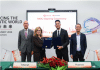
Speaking at the launch, the Deputy Minister for Health, Prof Dr Grace Ayensu-Danquah, said food safety was a foundation of national development and stressed the importance of implementing the plan effectively.

She said safer food would protect public health, strengthen consumer confidence, support the food industry and enhance the competitiveness of Ghanaian products.
According to Prof Ayensu-Danquah, the plan provides a coordinated framework for strengthening regulation, surveillance, laboratory capacity, industry compliance, research and public awareness.
She called for effective coordination and accountability among institutions involved in food safety to ensure the objectives of the five-year framework are achieved.
The Deputy Minister also commended UNICEF for its technical and financial support and urged stakeholders to support the implementation of the plan.
The Deputy Chief Executive of the Food and Drugs Authority (FDA), Mr Roderick Daddey-Adjei, said the plan was developed through extensive consultations with relevant stakeholders.
He said the FDA, with support from UNICEF, had generated evidence on heavy-metal contamination in selected food products.
The evidence, he noted, formed part of the basis for efforts to address heavy-metal risks within the food system.
The launch brought together stakeholders from the Ministry of Health, FDA, Ministry of Food and Agriculture, Environmental Protection Agency, Ghana Standards Authority, Minerals Commission, UNICEF, academia, industry, civil society and other partners.
The stakeholders are expected to support the implementation of the plan and contribute to efforts to promote safer food and healthier communities.