Ghana has taken a significant step towards preserving and promoting its linguistic and cultural heritage with the official launch of standardised orthographies for the Kusaal, Likpakpaanl and Sisaala languages.
The new writing systems are expected to facilitate the formal teaching and examination of the three languages within Ghana’s education system, while also enhancing their integration into digital platforms and emerging technologies.
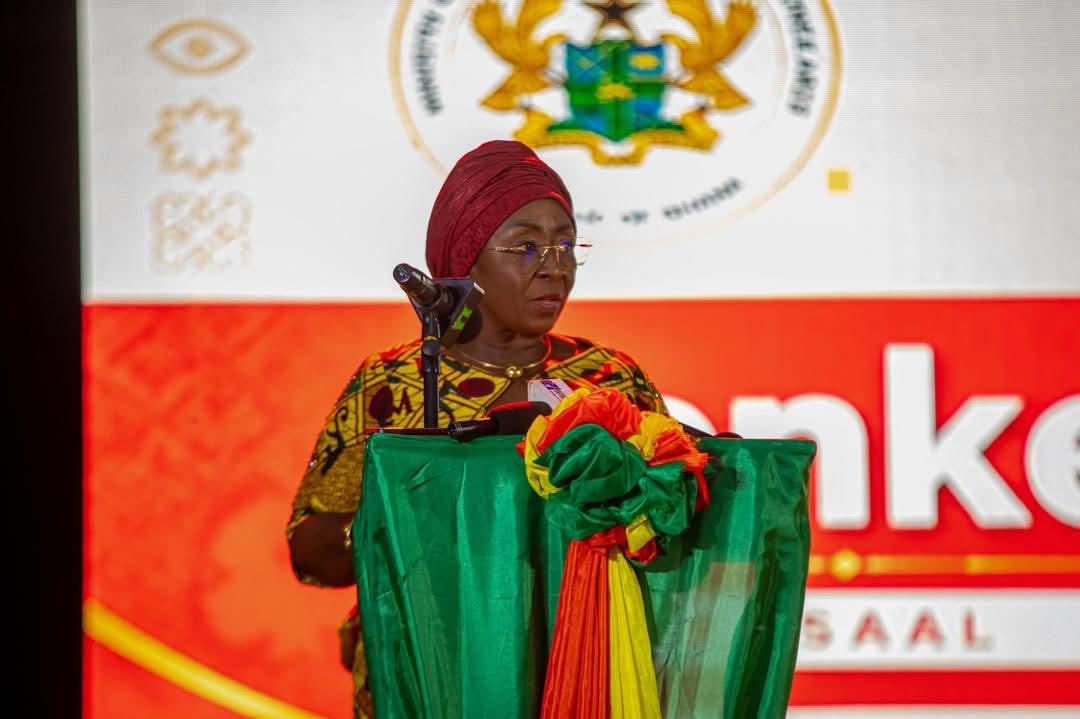
Speaking at the launch ceremony, the Minister for Tourism, Culture and Creative Arts, Abla Dzifa Gomashie, underscored the critical role indigenous languages play in preserving cultural identity, traditional knowledge and national heritage.
According to the Minister, language serves as a vital repository of a people’s history, values and worldview, making its preservation essential for future generations.

She noted that the standardisation of the orthographies represents a major milestone in efforts to safeguard Ghana’s rich linguistic diversity.
“The preservation and promotion of our indigenous languages are central to maintaining our cultural identity and ensuring that future generations remain connected to their heritage,” she stated.
The introduction of the standardised orthographies is expected to strengthen mother-tongue education by providing consistent guidelines for reading and writing in the three languages. Education stakeholders believe the initiative will improve literacy outcomes, particularly in communities where the languages are widely spoken.
Beyond the classroom, the development is also expected to support the use of Kusaal, Likpakpaanl and Sisaala in digital communication, software applications and emerging technologies, ensuring that speakers of the languages are not left behind in the rapidly evolving digital landscape.
The initiative aligns with Ghana’s broader commitment to protecting and promoting its intangible cultural heritage, in line with international efforts to preserve indigenous languages and cultural expressions.
Cultural advocates have welcomed the move, describing it as an important contribution to national development, social inclusion and cultural sustainability.
The launch marks another milestone in Ghana’s efforts to celebrate its linguistic diversity while creating opportunities for indigenous languages to thrive in education, technology and public life.