The Government of Ghana has intensified the implementation of its Free Primary Healthcare Policy, extending essential health services to 150 underserved districts as part of efforts to ensure equitable access to quality healthcare across the country.
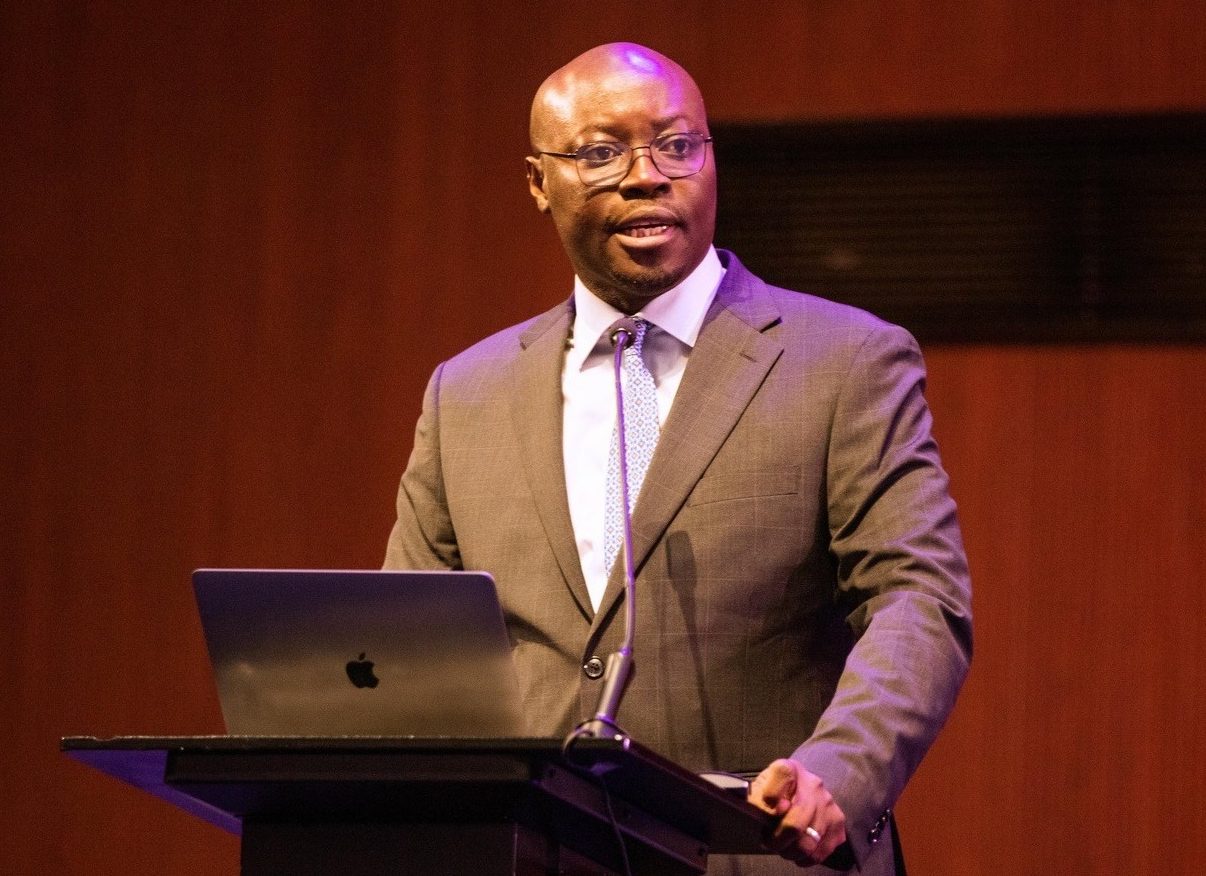
Presenting the 2026 Mid-Year Fiscal Policy Review in Parliament, Finance Minister Dr Cassiel Ato Forson said the policy, launched in April 2026 on the authority of President John Dramani Mahama, underscores the government’s commitment to making primary healthcare accessible to every Ghanaian, irrespective of income or location.
Dr Forson announced that the first phase of the programme is focused on improving healthcare delivery in communities with limited access to essential medical services.
To strengthen the country’s primary healthcare system, the government has distributed more than 24,000 pieces of medical equipment to health facilities nationwide. The equipment is intended to enhance diagnostic services, emergency response, maternal healthcare and neonatal care.

He further disclosed that motorbikes, tricycles and mobile outreach equipment have been deployed to support healthcare workers in reaching remote and difficult-to-access communities, thereby improving the delivery of essential health services.
The Finance Minister also noted that the government has expanded community screening programmes for hypertension, diabetes, cancers and other non-communicable diseases as part of efforts to promote early detection and treatment.
In addition, he said work is progressing on the establishment of health kiosks, container-based health posts and the upgrading of existing primary healthcare facilities to improve healthcare infrastructure and bring essential services closer to communities.
Dr Forson reiterated that the Mahama administration remains committed to strengthening Ghana’s primary healthcare system and ensuring that no citizen is denied access to quality healthcare because of financial or geographical barriers.