MTN Ghana has cautioned journalists and civil society organisations (CSOs) against entering sensitive or confidential information into free, consumer-facing artificial intelligence (AI) platforms, citing potential data security risks.
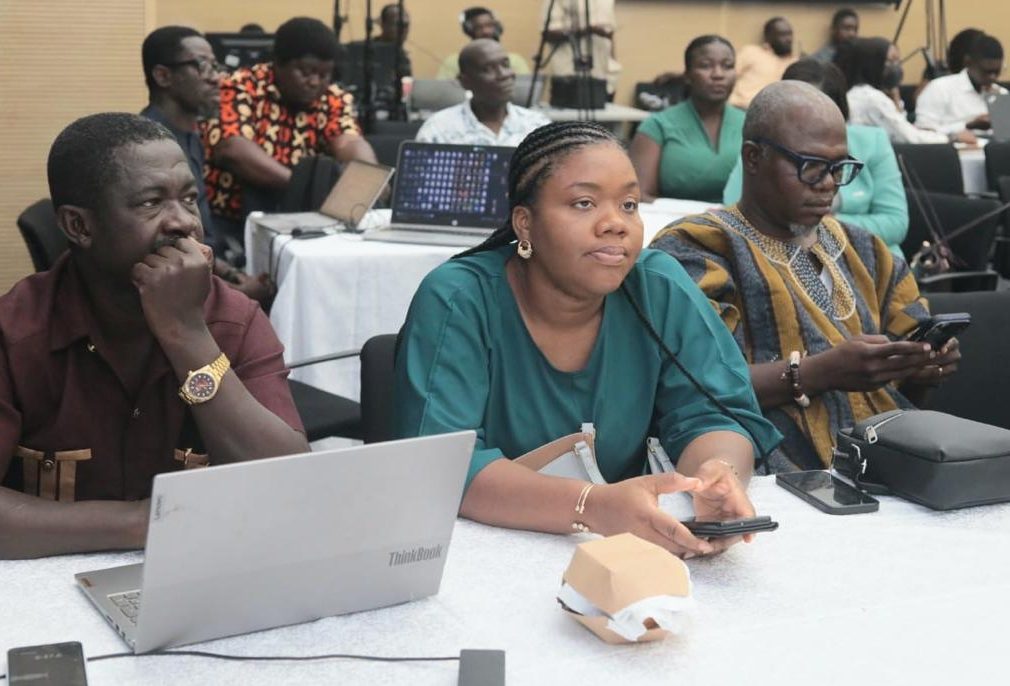
The caution was issued during an AI capacity-building training for media practitioners and CSOs held at MTN House in Accra and streamed virtually.
Participants were advised to exercise particular care when using AI tools for research, content development, data analysis and other professional tasks, with facilitators stressing that the convenience of AI should not come at the expense of data privacy and professional accountability.
The training was facilitated by Samuel Adranyi, CEO and Founder of Afrilogic Solutions; Nehemiah Yelu Attigah, CEO of HatuaTech; and Kwame Manu, Senior Manager, Digital Analytics and Monetisation at MTN Ghana.

Participants were introduced to effective prompting and how tools such as ChatGPT could support their daily workflows. They were also taken through the limitations of AI systems, including the risk of “AI hallucinations”, where systems generate information that appears convincing but is inaccurate.
Facilitators therefore urged participants to independently verify AI-generated information and images before publication, particularly to guard against misinformation, deepfakes and manipulated content.
For journalists and CSOs, the facilitators said such safeguards were particularly important because of their role in informing the public and shaping understanding of issues.
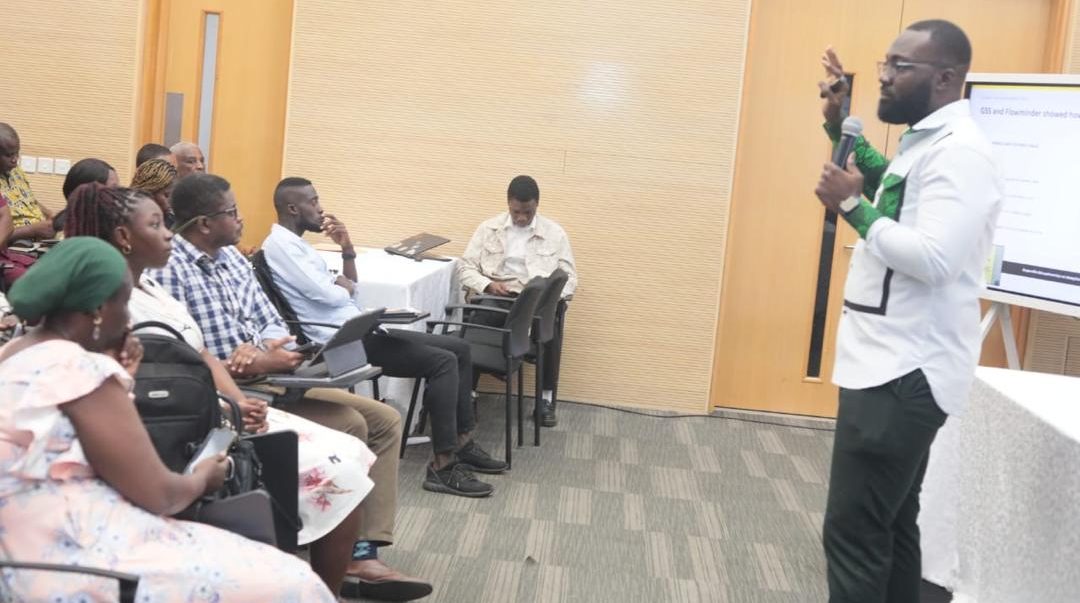
Kwame Manu said AI adoption should be accompanied by responsible practices around privacy, ethics and accountability.
He explained that MTN Ghana was moving beyond basic reporting systems towards predictive analytics and prescriptive engines capable of delivering hyper-personalised customer experience bundles, as part of the MTN Group’s broader digital agenda.
Mr Manu said MTN Ghana was also exploring collaboration with government and public institutions to use mobility data for policymaking and disease tracking, while partnerships with universities, STEM education organisations, AI start-ups and media organisations could support AI research, talent development and solutions tailored to African realities.
Efua Falconer, Acting Senior Manager, Corporate Communications at MTN Ghana, said the rapid pace of technological change made it necessary for professionals to understand AI and adapt to its applications.
She said MTN Ghana considered the media and civil society key stakeholders and was committed to involving them in conversations about emerging technologies and their implications.
Samuel Adranyi focused on practical AI applications, including prompting techniques, while Mr Attigah stressed that AI should work alongside human judgement, critical thinking and professional oversight rather than replace them.
The training ultimately emphasised that AI could improve productivity and professional workflows, but its use must be accompanied by data protection, fact-checking and human accountability.