Oil prices edged higher on Wednesday as uncertainty surrounding peace negotiations between the United States and Iran continued to support crude markets, despite record-high US oil production pointing to improving global supplies.
US West Texas Intermediate (WTI) crude futures rose 0.73% to $70.01 per barrel by 21:03 ET (01:03 GMT), while Brent crude futures had yet to begin trading.
Market sentiment remained focused on developments in Doha after Iran ruled out direct negotiations with senior US envoys in the region, insisting that any discussions would instead take place through mediators at a technical level. The move has reduced expectations of a swift agreement to transform the fragile two-week-old ceasefire into a lasting peace accord.
The latest gains follow a sharp retreat in crude prices after tensions linked to the Iran conflict eased. Brent crude recorded its steepest quarterly decline since the first quarter of 2020, falling about 38% during the second quarter after surging approximately 94% in the previous quarter. The global benchmark also dropped around 21% in June, following a 19% decline in May, as concerns over prolonged supply disruptions through the Strait of Hormuz diminished.

Geopolitical risks remain
Despite the recent pullback in prices, geopolitical uncertainty continues to underpin the market.
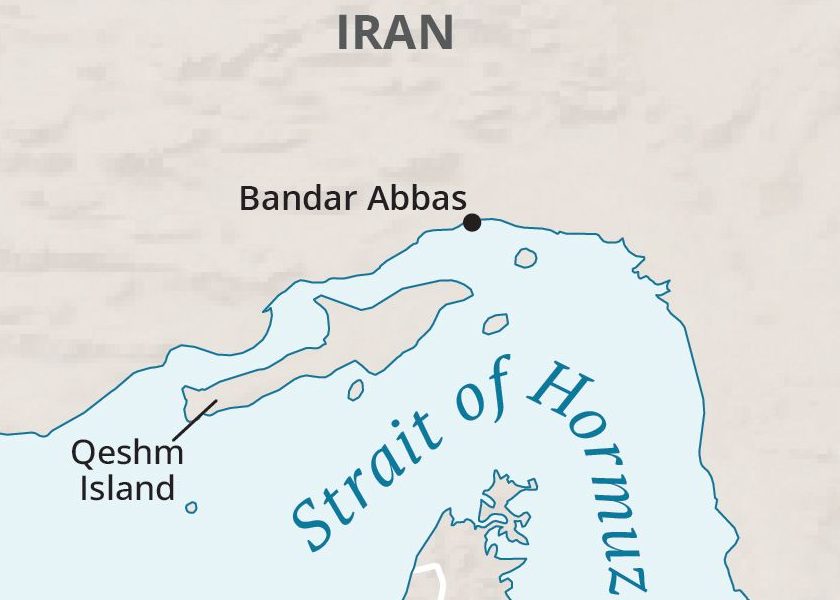
The absence of direct negotiations has raised questions over how quickly Washington and Tehran can resolve outstanding issues under their 60-day negotiation framework, including the future management of the Strait of Hormuz, one of the world’s most strategically important oil transit routes.
Although renewed exchanges over the weekend briefly unsettled the ceasefire, shipping through the Strait of Hormuz has begun to recover. According to Kpler data, around 24 commodity vessels, including crude oil and liquefied natural gas tankers, passed through the waterway on Monday, with traffic remaining stable into Tuesday.
Analysts at ANZ said hopes for a lasting peace agreement had weighed on crude prices but warned that uncertainty over the governance and security of the Strait of Hormuz continued to cloud the outlook. The bank noted that Iran has reaffirmed its intention to oversee maritime traffic through the strategic waterway, keeping shipping security firmly in focus for energy markets.
Supply outlook
On the supply side, fresh data from the US Energy Information Administration showed domestic crude production reached a record 13.93 million barrels per day in April, as producers increased output in response to higher prices during the recent conflict.
While stronger US production could limit further price gains, analysts believe geopolitical risks are likely to continue providing support to oil markets.
Meanwhile, ANZ’s China Commodity Index rose 0.5%, with its energy component also advancing by 0.5%, suggesting commodity demand remains resilient even as oil prices have retreated from recent highs.
Investors are now awaiting further developments in the Doha negotiations, alongside upcoming US crude inventory data, for clearer indications of the market’s next direction.