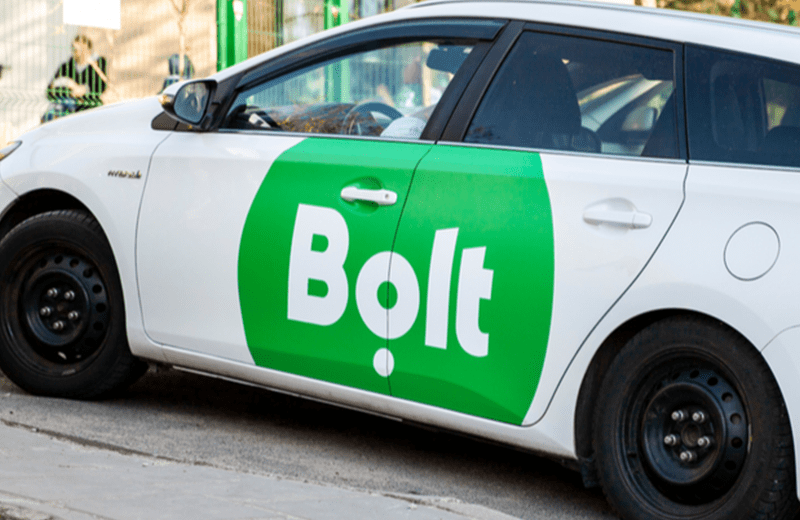
Bolt, the globally acclaimed ride-hailing service, has increased its fares in Kenya by 6% following a sharp rise in fuel prices, which has in turn intensified pressure from drivers.
Bolt is among the first significant ride-hailing companies in Kenya to legally pass on growing operating expenses to customers with the fee increase, which was announced on Tuesday in Nairobi. This is a change in a market that has historically been characterised by discounts and inexpensive rides.
The action comes after the Energy and Petroleum Regulatory Authority in Kenya increased the price of petrol to KES 197.60 ($1.53) per litre and diesel to KES 196.63 ($1.52) per litre on 15 April.
”This fare modification is a part of a larger effort to ensure that our service remains dependable and accessible for users while constructively addressing their concerns, especially about fuel prices. According to a statement from Bolt’s Senior General Manager, Rides, East Africa, Dimmy Kanyankole, “the 6% increase guarantees that riders continue to enjoy some of the most competitive fares in the market.”

One of Africa’s biggest ride-hailing marketplaces is Kenya, where thousands of drivers make their living full-time from services like Uber, Little, and Bolt. As gasoline prices, platform commissions, vehicle financing costs, and inflation reduce driver earnings, the industry has become more and more pressured.
Pump prices had momentarily surpassed KES 206 ($1.60) per litre due to earlier gasoline price revisions on April 14 until government action reduced the increases.
In recent months, ride-hailing drivers have protested and threatened to go on strike, claiming that tariffs no longer accurately represent the true cost of running cars in Nairobi. Many drivers can switch between applications based on trip demand, incentives and surge pricing because they are simultaneously listed on several platforms.
The rise will test Kenyan consumers’ willingness to pay higher ride rates for more dependable service, given that they already have to contend with increased food, transportation, and electricity costs.
”We have taken a thoughtful approach to ensure that this adjustment supports the sustainability of our platform for everyone, and we recognise that price changes affect both drivers and riders,” Kanyankole continued.