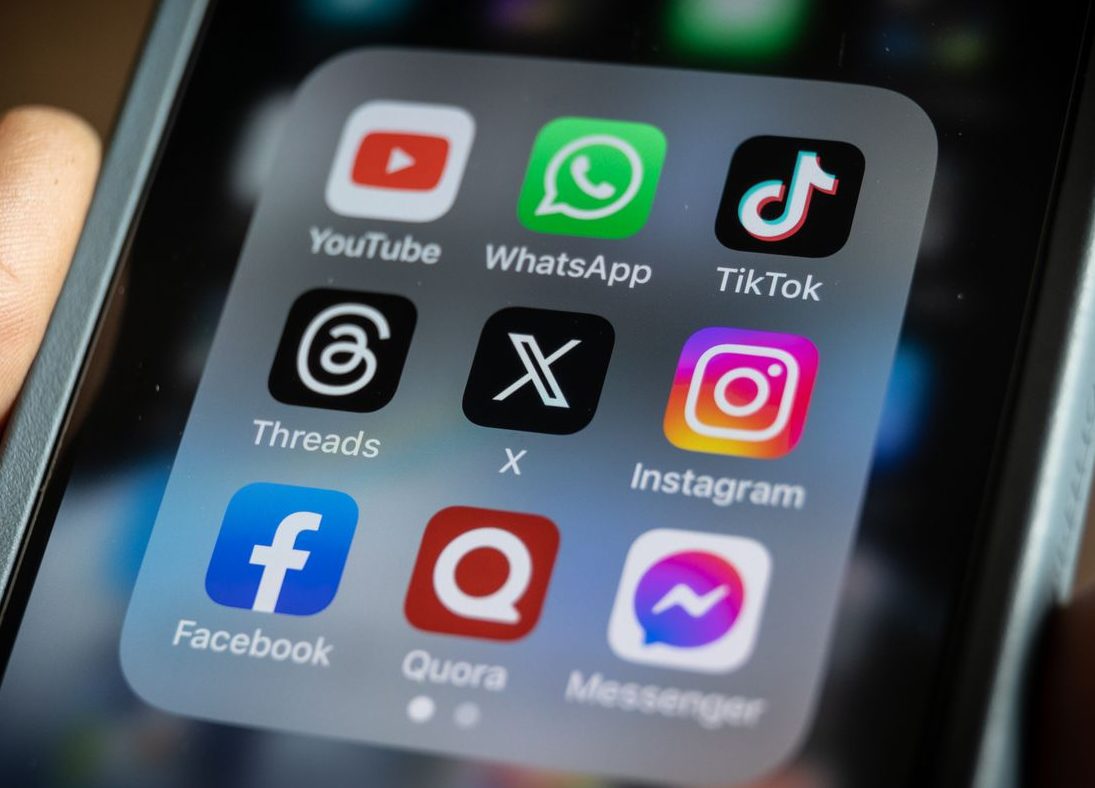
Meta Platforms has reached an agreement with a bipartisan group of 52 attorneys general across US states, territories and the District of Columbia to impose new restrictions on teenagers’ use of Instagram and Facebook, subject to judicial approval.
Under the agreement, Meta will pay approximately $18 billion in annual instalments over 10 years. Participating states are expected to receive about 70% of the settlement, or roughly $12.7 billion, while the remaining $5.3 billion will be contingent on TikTok and YouTube adopting similar measures and making matching payments.
Meta said it expects to record a legal expense of approximately $10 billion in the third quarter of 2026 in connection with the agreement. The charge was not included in the company’s expense guidance provided during its second-quarter earnings call, although Meta said all other guidance ranges issued in July remain unchanged.
The agreement requires a default two-hour cumulative daily time limit for teenagers on Instagram and Facebook. Removing the limit will require parental permission.

Teen access to the platforms will also be blocked between midnight and 6 a.m., while notifications will be muted during school hours from 8 a.m. to 3 p.m.
Additional restrictions include hidden like counts, limits on certain cosmetic filters and enhanced parental controls. Most of the requirements will remain in effect for 10 years.
If TikTok and YouTube adopt the same framework, the daily limit would be reduced to one hour per app, while night mode would run from 10 p.m. to 7 a.m.
The agreement also provides for the creation of an independent social media research foundation and requires an independent auditor to assess Meta’s compliance annually for five years.
Meta Chief Legal Officer CJ Mahoney called on TikTok and YouTube to adopt the framework immediately.
“We therefore call on our industry peers, TikTok and YouTube, to implement this new framework, right away,” Mahoney said.