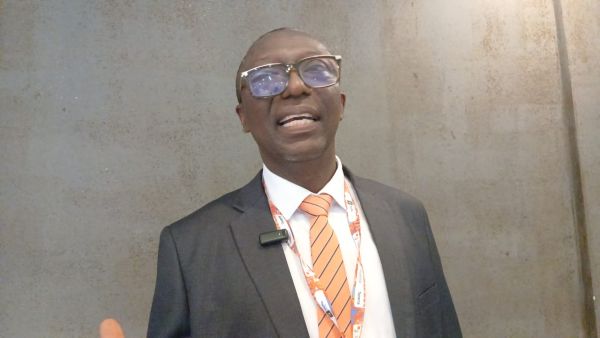
The Bank of Ghana is urging fintech firms to break data silos and share borrower information, warning that failure to do so is enabling serial defaulters to exploit Ghana’s fast-growing digital lending space.
The Head of Department at the central bank, Dr Kwasi Osei-Yeboah, made the call during an exclusive interview on the sidelines of the 3i Africa Summit 2026 in Accra.
According to him, the absence of a shared data ecosystem among fintech lenders is allowing borrowers who default on loans to easily move from one platform to another without detection.
“Defaulters are able to continue borrowing simply because fintech companies are not sharing data among themselves,” he noted, describing the situation as a major gap in Ghana’s digital credit market.

Dr Osei-Yeboah explained that effective data sharing would strengthen credit profiling systems, making it easier to track borrower behaviour and build reliable credit histories. This, he said, would not only protect lenders but also improve the overall integrity of the fintech ecosystem.
He cautioned that continued fragmentation in data systems risks deepening inefficiencies and weakening trust across the sector.
“Inability to share common data brings separation and makes it difficult to identify the history of creditors,” he stressed.
The BoG official therefore called for a unified industry approach, urging fintech firms to collaborate and adopt shared data frameworks that enable seamless identification of defaulters across platforms.
He said such integration would ensure that once a borrower defaults on a loan, the information becomes visible across the ecosystem, discouraging repeat defaults and promoting responsible borrowing.
Beyond data sharing, Dr Osei-Yeboah also raised concerns about high interest rates charged by some fintech lenders, warning that excessive pricing could undermine long-term customer relationships.
He advised firms to adopt more sustainable lending models, arguing that moderate interest rates would encourage customer loyalty and improve repayment rates.
“A few reasonable rates can keep customers for the long term, rather than driving them away with high charges,” he said.