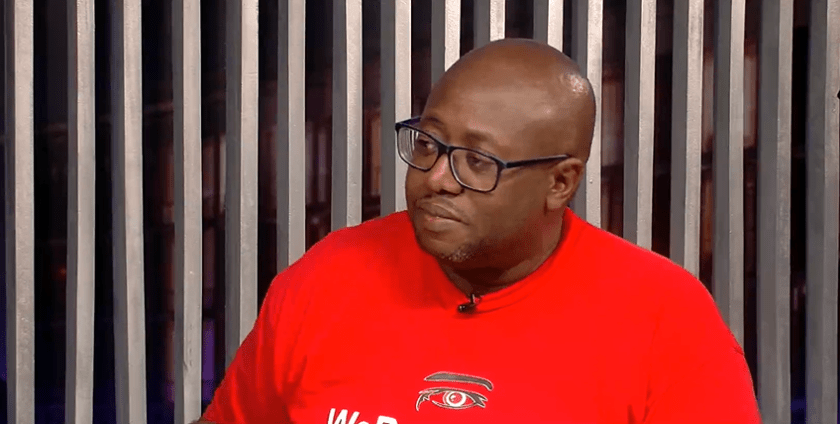
Dr Kojo Pumpuni Asante, the Director of Advocacy and Policy Engagement at the Centre for Democratic Development (CDD-Ghana), has expressed concerns about what he views as an alarming pattern of arrests in connection with alleged breaches of free speech in Ghana.
Following the arrest of its Bono Regional Chairman, Kwame Baffoe, also known as Abronye DC, who is charged under Sections 207 and 208 of the Criminal Offences Act for allegedly offensive conduct and related offences, the opposition New Patriotic Party (NPP) filed a petition with the Diplomatic Corps.
Speaking to journalists, Dr Asante warned that if the development is not closely examined, it could set a risky precedent and result in more extensive limits on free speech.
Additionally, he voiced concerns about the planned Misinformation, Disinformation and Hate Speech law that is presently under consideration, claiming that its wide reach would violate rights guaranteed by the constitution.

”It is a dangerous slope that no one wants to enter when you start arresting people for insults and other types of behaviour, such as public policy discussion. The question of whether these are political players is not the only one.
”If our voices are targeted in that manner, we will all be in danger. He stated, “This is about citizens; it even happened to media people online.”
Additionally, Dr Asante cautioned that ambiguous or unduly expansive definitions of criminal speech could put journalists, internet commentators and regular people at risk.
He mentioned the current legislative debates on misinformation and disinformation, pointing out that CDD-Ghana has already voiced serious concerns about certain parts of the Ministry of Communication’s draft bill.
”We have stated that there is currently some legislation, I believe from the Ministry of Communication, on information and misinformation, and we have expressed very strong reservations against it because of the wide range of actions that they consider to be criminal.”
”I believe taking that diversion will be a major error. Thus, a very public discussion is required. We are prepared to offer the venue for this discussion. We are really worried,” he continued.
In order to prevent attempts to control false information from compromising the right to free speech, he emphasised the necessity of broader public participation in the proposed legislation.