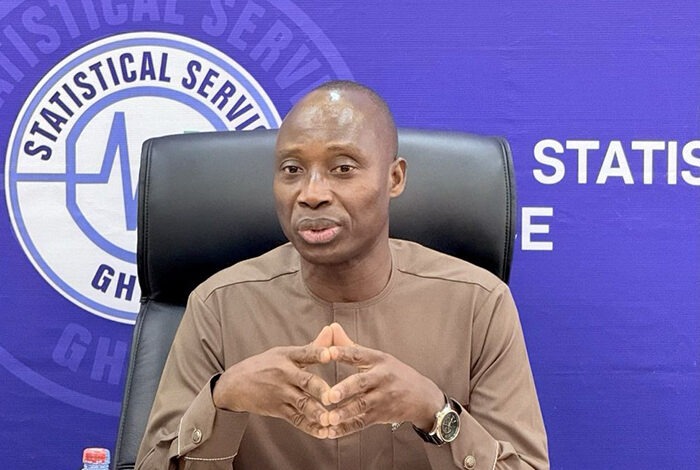
Ghana’s annual inflation rate eased to 4.6 per cent in July, down from 5.3 per cent in June, according to data released on Thursday by Government Statistician, Dr Alhassan Iddrisu.
The latest figure was also below the 5.8 per cent median forecast by economists surveyed by Bloomberg.
The decline was driven largely by slower increases in food prices and more subdued import costs, reflecting improving price stability across the economy.
Food and non-alcoholic beverage inflation slowed to 3.1 per cent in July from 3.9 per cent the previous month. On a month-on-month basis, consumer prices rose by 0.1 per cent, easing from 0.2 per cent recorded in June.

Imported inflation also moderated, with the cost of imported goods rising 2 per cent year-on-year in July, compared with 2.3 per cent in June. The slower pace of imported inflation was supported by a relatively stable exchange rate, which helped reduce pressure on the prices of foreign goods.
The latest inflation figures come after the Bank of Ghana left its benchmark policy rate unchanged at 14 per cent last month. The central bank said it opted to maintain the rate to allow more time to assess the potential impact of the conflict in the Middle East on domestic inflatioLooking ahead, the Bank of Ghana expects inflation to gradually move back into its medium-term target range of 6 to 10 per cent. However, policymakers have cautioned that the stop-start nature of the conflict has contributed to significant volatility in global energy prices, posing a risk to the inflation outlook.