The Government of Ghana spent a total of GH¢8.94 billion on its flagship programs in 2024, according to the latest Auditor-General’s report on the Whole-of-Government Accounts.
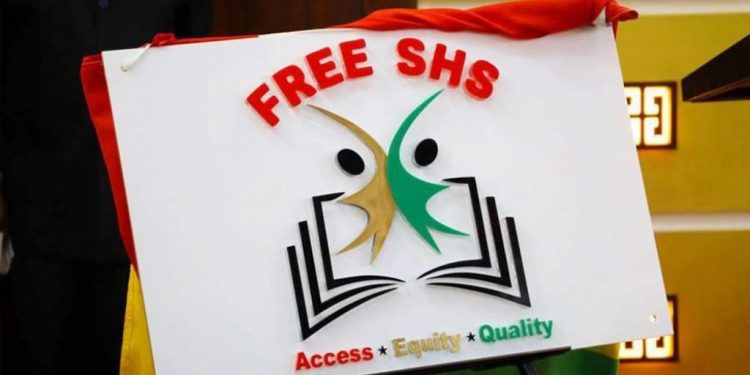
The report outlines major expenditures under various social and economic initiatives spearheaded by the Akufo-Addo administration, with Free Senior High School (SHS) and Technical and Vocational Education and Training (TVET) programs receiving the largest chunk—GH¢3.6 billion.
Next on the list is the School Feeding Programme, which cost the state GH¢1.13 billion. This initiative, implemented through the Ministry of Gender, targets millions of pupils in public basic schools with daily meals to enhance school attendance and nutrition.
The government also spent GH¢917.5 million on fertiliser subsidies under the Planting for Food and Jobs program to support farmers and boost food security.

Other notable allocations include:
GH¢628.9 million to the Livelihood Empowerment Against Poverty (LEAP) program
GH¢618 million for the Food Farmer Recovery Relief Programme
GH¢533.5 million in nursing training allowances
GH¢438 million transferred to the Youth Employment Agency
Additionally, GH¢196.2 million was spent on subsidies for the 2018 BECE and WASSCE examinations, while teacher training allowances and feeding cost GH¢113.4 million.
Other disbursements included:
GH¢102.4 million for scholarships and capitation grants
GH¢288.6 million for the National Identification Programme
GH¢33.2 million for Arabic instructors
GH¢32.3 million for the One District One Factory (1D1F) initiative
GH¢7.4 million to Zongo Development Initiatives
GH¢45 million through MASLOC for microfinance support
GH¢240 million under the Ghana CARES program
GH¢2.27 million for the Student Loan Trust Fun.
While the numbers indicate heavy government investment in social intervention and economic revitalisation, policy analysts and civil society groups are raising red flags over value for money, transparency, and the effectiveness of these programs. Calls for stronger oversight, especially in the wake of Ghana’s economic challenges, continue to intensify.