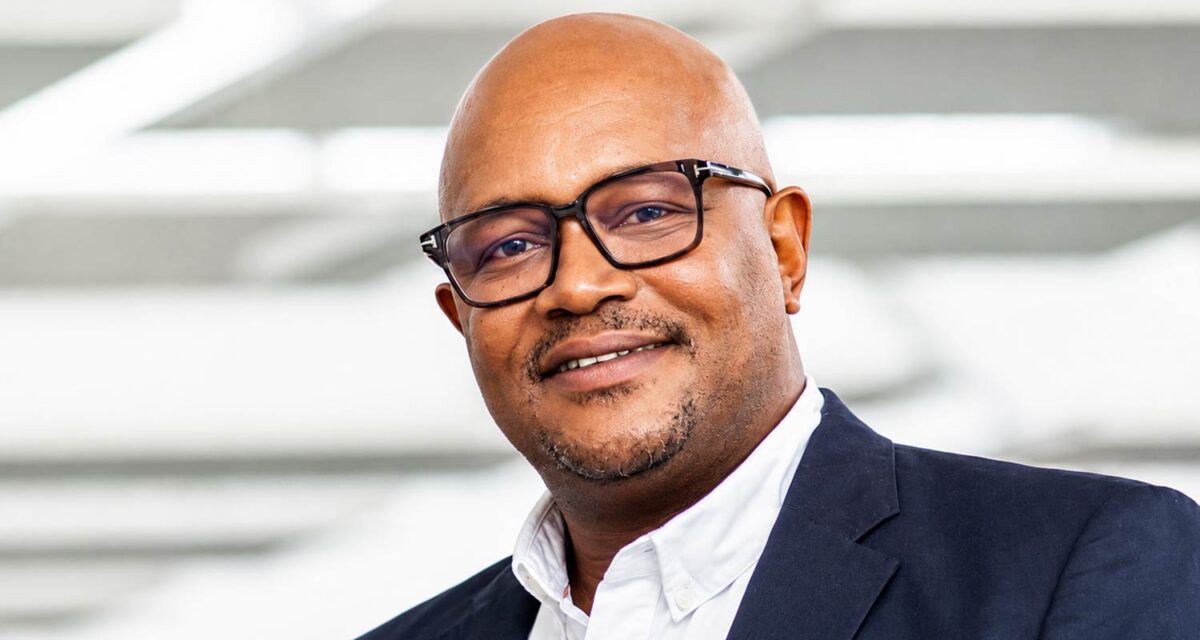
Telkom customers seeking to purchase fibre broadband, mobile services and fixed-wireless products in a single transaction are still unable to do so seamlessly, according to group chief executive Serame Taukobong, who says a major overhaul of the company’s back-office systems is designed to address the problem.
Speaking after the release of Telkom’s results for the financial year, Taukobong explained that customers attempting to buy fibre services, multiple mobile devices and an LTE package in one visit often face a complicated process because the products are managed across several different technology platforms.
To resolve this, Telkom is undertaking a significant upgrade of its operational and business support systems (OSS/BSS), which manage functions ranging from service provisioning to billing. Taukobong described the initiative as the first major transformation of the mobile-side systems in many years.
The project aims to enable Telkom to offer fully integrated service bundles through a single customer touchpoint, combining products from both its Openserve wholesale division and consumer business rather than relying on separate systems.

According to Taukobong, the programme is a key component of Telkom’s “OneTelkom” strategy, which seeks to provide customers with a unified service offering while increasing automation and digitalisation across the business. He added that the initiative is expected to strengthen average revenue per user (ARPU), which remains a central objective for the group.
Rising IT investment
The transformation helps explain the composition of Telkom’s capital expenditure during FY2026. Total capital spending increased by 10.4% to approximately US$394 million, up by around US$37 million from the previous year. Using an exchange rate of roughly R16.3 to US$1, most of the additional spending was directed towards information technology rather than network expansion.
Investment in IT solutions linked to the OSS/BSS programme more than tripled to about US$58 million, while mobile network capital expenditure declined by 3.5% to approximately US$165 million. Expenditure on network rehabilitation and maintenance fell sharply by 92.2% to just US$1.6 million.
Taukobong indicated that IT spending will remain elevated, describing the OSS/BSS upgrade as a two- to three-year programme that will continue to require significant investment over the coming years.
At the same time, Telkom’s audited financial statements suggest a future increase in network spending. Authorised capital expenditure not yet contracted rose to around US$524 million from approximately US$240 million, reflecting a substantially larger budget earmarked for network infrastructure improvements.
Balancing growth and network quality
Taukobong said Telkom continues to strike a balance between investing in digital transformation and expanding network capacity. As the company’s prepaid customer base grows, additional network capacity is required to maintain service quality and data speeds. Greater network coverage also reduces the roaming fees Telkom pays to competing operators.
Fixed-mobile convergence — combining fibre, mobile and fixed-wireless services under a single account — is increasingly viewed as a key strategy for telecom operators seeking to protect customer spending levels and reduce subscriber churn as traditional voice services and, eventually, data services become more commoditised.
While Telkom has a competitive advantage through its ownership of both the Openserve fibre network and a rapidly expanding mobile business, it has historically faced challenges in integrating these services into a single customer proposition.
For the year under review, Telkom reported a 1.4% increase in group revenue to approximately US$2.73 billion, driven largely by growth in its mobile and data businesses.