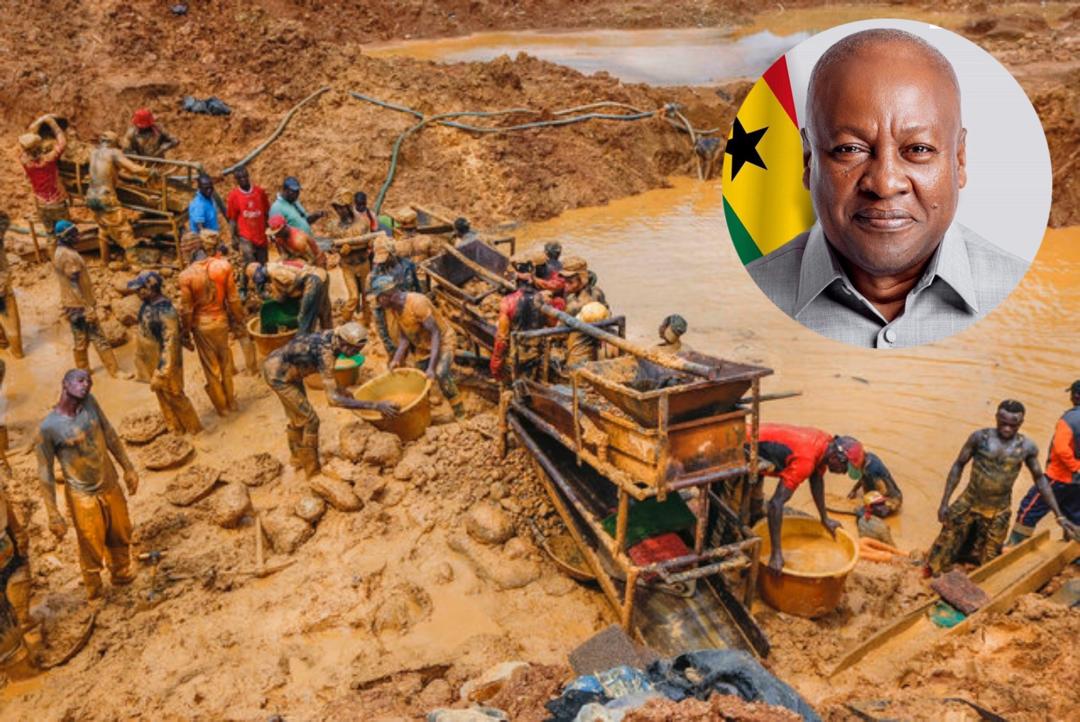
If galamsey continues unchecked, the costs will extend far beyond mining. *It will affect almost every sector of Ghana’s economy and society, with many consequences lasting for generations.* Some of the major areas include:
Healthcare
1. Chronic kidney disease
2. Neurological disorders from mercury exposure
3. Birth defects and developmental disabilities
4. Childhood cognitive impairment (lower IQ)
5. Cancers associated with toxic exposures
6. Increased maternal and infant mortality
7. Mental health disorders
8. Increased healthcare expenditure
9. Loss of healthcare workforce productivity
Agriculture

1. Loss of fertile topsoil
2. Heavy metal contamination of crops
3. Reduced crop yields
4. Loss of irrigation water
5. Food insecurity
6. Declining farmer incomes
7. Increased food imports
Water Resources
1. Destruction of rivers and streams
2. Higher water treatment costs
3. Scarcity of potable water
4. Groundwater contamination
5. Increased cost of drilling boreholes
6. Water shortages for households and industry
Fisheries
1. Kills fish
2. Collapse of freshwater fisheries
3 Mercury contamination of fish
4. Loss of livelihoods
5. Reduced protein availability
Forestry
1. Deforestation
2. Loss of biodiversity
3. Loss of timber resources
4. Increased erosion
5. Reduced rainfall regulation
Tourism
1. Destruction of scenic landscapes
2 Decline in eco-tourism
3. Loss of birdwatching and wildlife tourism
4. Damage to national parks and reserves
5. Reduced foreign exchange earnings
Energy
1. Sedimentation of Akosombo, Kpong and Bui reservoirs
2. Reduced hydroelectric generation
3. Increased risk of power shortages
4. Higher electricity costs
5. Greater dependence on imported fuels
Infrastructure
1. Damage to roads from illegal mining equipment
2. Bridge instability
3. Increased flooding
4. Expensive rehabilitation projects
Education
1. Poor school attendance in mining communities
2. Child labour
3. Lower educational attainment
4. Reduced future skilled workforce
National Economy
1. Reduced agricultural GDP
2. Lower tourism revenue
3. Reduced labour productivity
4. Rising public expenditure
5. Lower investor confidence
6. Declining property values
7. Reduced tax revenues from productive sectors
National Security
1. Armed criminal networks
2. Cross-border smuggling
3. Corruption
4. Violent conflicts
5. Weakening of state authority
Justice and Governance
1. Corruption of institutions
2. Weak enforcement of laws
3. Declining public trust
4. Erosion of the rule of law
Climate and Environment
1. Increased carbon emissions from deforestation
2. Reduced carbon sequestration
3. Hotter local climates
4. Desertification in affected areas
5. Increased flooding and droughts
Biodiversity
1. Extinction of local species
2. Loss of pollinators
3. Destruction of aquatic ecosystems
4. Fragmentation of wildlife habitats
Real Estate
1. Falling land values
2. Uninhabitable communities
3. Expensive land restoration
4. Reduced investment
Employment
1. Loss of farming jobs
2. Collapse of fishing livelihoods
3. Reduced tourism employment
4. Increased youth unemployment after mineral depletion
Public Finance
1. Rising environmental remediation costs
2. Increased healthcare budgets
3. Disaster relief spending
4. Higher water treatment subsidies
5. Infrastructure repair costs
Future Generations
1. Reduced cognitive potential from prenatal mercury exposure
2. Greater burden of chronic disease
3. Loss of natural capital
4. Reduced economic opportunities
5. Intergenerational poverty
International Reputation
1. Damage to Ghana’s environmental image
2. Difficulty attracting sustainable investment
3. Potential trade restrictions on contaminated products
4. Reduced competitiveness in global markets
Social Fabric
1. Community displacement
2. Increased inequality
3. Family breakdown
4. Rising crime
5. Loss of traditional livelihoods
6. Conflicts between communities
The biggest hidden cost
The greatest loss may not be the gold extracted but the destruction of Ghana’s natural capital – its forests, rivers, fertile soils, biodiversity, and healthy population. _Gold is a finite resource that can only be mined once._ Healthy ecosystems, if protected, provide water, food, energy, climate regulation, tourism, and livelihoods indefinitely.
In economic terms, galamsey represents the liquidation of renewable natural assets in exchange for a short-lived financial gain, while transferring enormous healthcare, environmental, and economic costs to future generations.
As I have often argued, *No economy can survive the death of its ecology.*