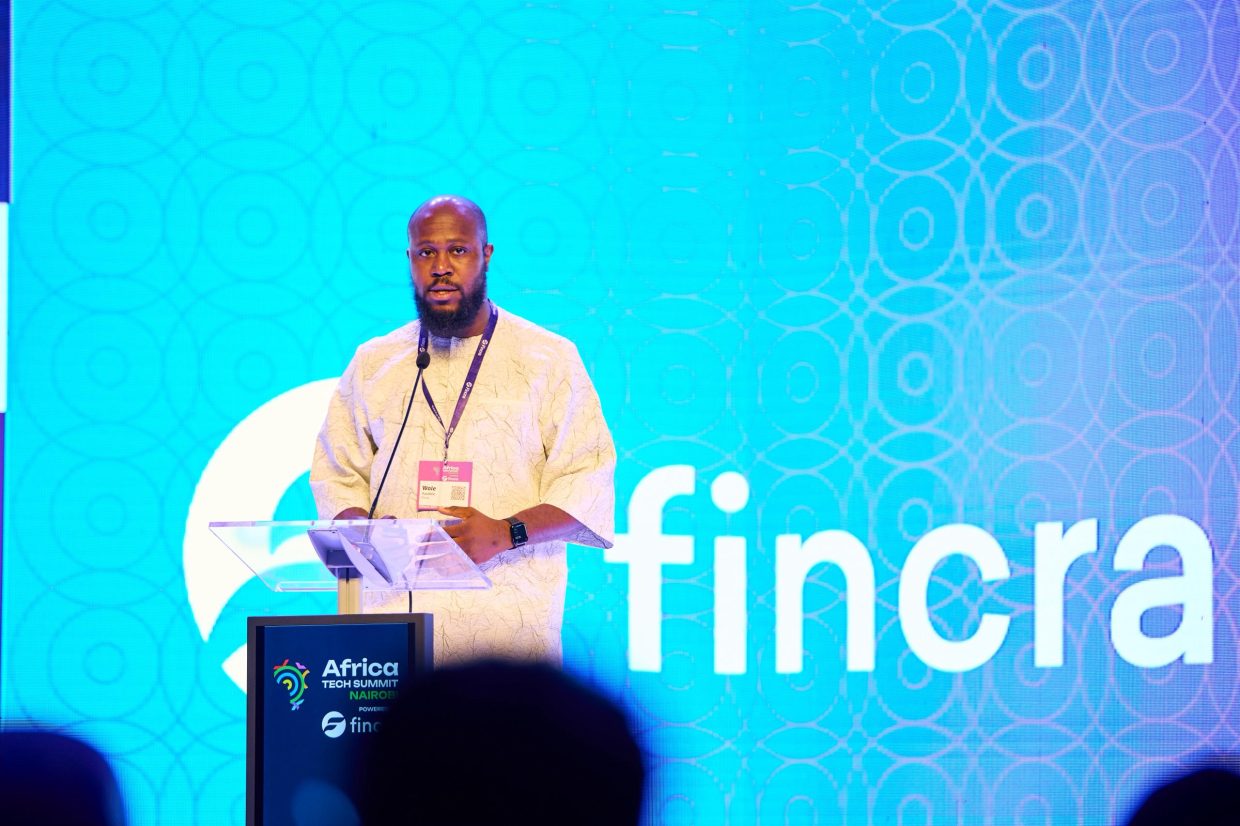
Fincra, a Nigerian payments infrastructure provider, has obtained an Enhanced Category Payment Service Provider Licence from the Bank of Ghana (BoG), enabling it to connect to the country’s financial system and process local transactions.
According to the company, the permit enables Fincra to receive money sent into the nation in Ghanaian cedis, process transactions locally and collect payments from clients in Ghana.
Fincra received the permission two months after obtaining a Canadian Payment Service Provider licence. It also strengthens CEO Wole Ayodele’s argument that infrastructure, such as licensed and regulated rails that transfer money at scale, would define Africa’s next fintech phase more so than optimism. Ghana is now yet another example of such a tactic in action.
Mobile money has been widely used in Ghana; in 2023, the market processed GH¢1.912 trillion ($170 billion) in transactions. The Ghana Statistical Service (GSS) estimates that in the fourth quarter of 2024, informal cross-border trade between Ghana and its land neighbours was worth GH¢7.4 billion ($661 million).

According to Ayodele, “Ghana’s digital economy is accelerating rapidly, but the infrastructure to support enterprise-scale payment aggregation and inbound transfers is still too fragmented.”
”We can now provide our merchants with a direct, high-speed rail into this market after receiving approval from the Bank of Ghana. We are eliminating the barrier, he continued, whether a company needs to collect mobile money locally or a worldwide platform has to deposit remittances straight into Ghanaian bank accounts.
According to the company, merchants utilising Fincra’s platform can accept payments directly through local channels including MTN MoMo, Telecel, AirtelTigo and local bank transfers with the license.
Moreover, it enables payroll platforms and international remittance businesses to transfer funds straight to Ghanaian bank accounts and mobile wallets.
The licence, according to the company, enables businesses to set up local collection accounts in cedis and automatically reconcile incoming payments, hence supporting automated business-to-business (B2B) payments.
According to Fincra, businesses can utilise these features without requiring numerous local systems by integrating a single Application Programming Interface (API).
As competition swings toward developing localised payment infrastructure across African markets, Fincra joins a limited number of Nigerian fintechs, including Flutterwave and Paystack, that have obtained a similar license in Ghana.
Ayodele and Gideon Orovwiroro founded Fincra in 2021. It powers payment networks in North America, Europe and more than 20 African markets.
The company is wagering that the future of African fintech will be based on interoperable solutions that make cross-border payments seem less fragmented as it continues to broaden its regulatory footprint across important markets.