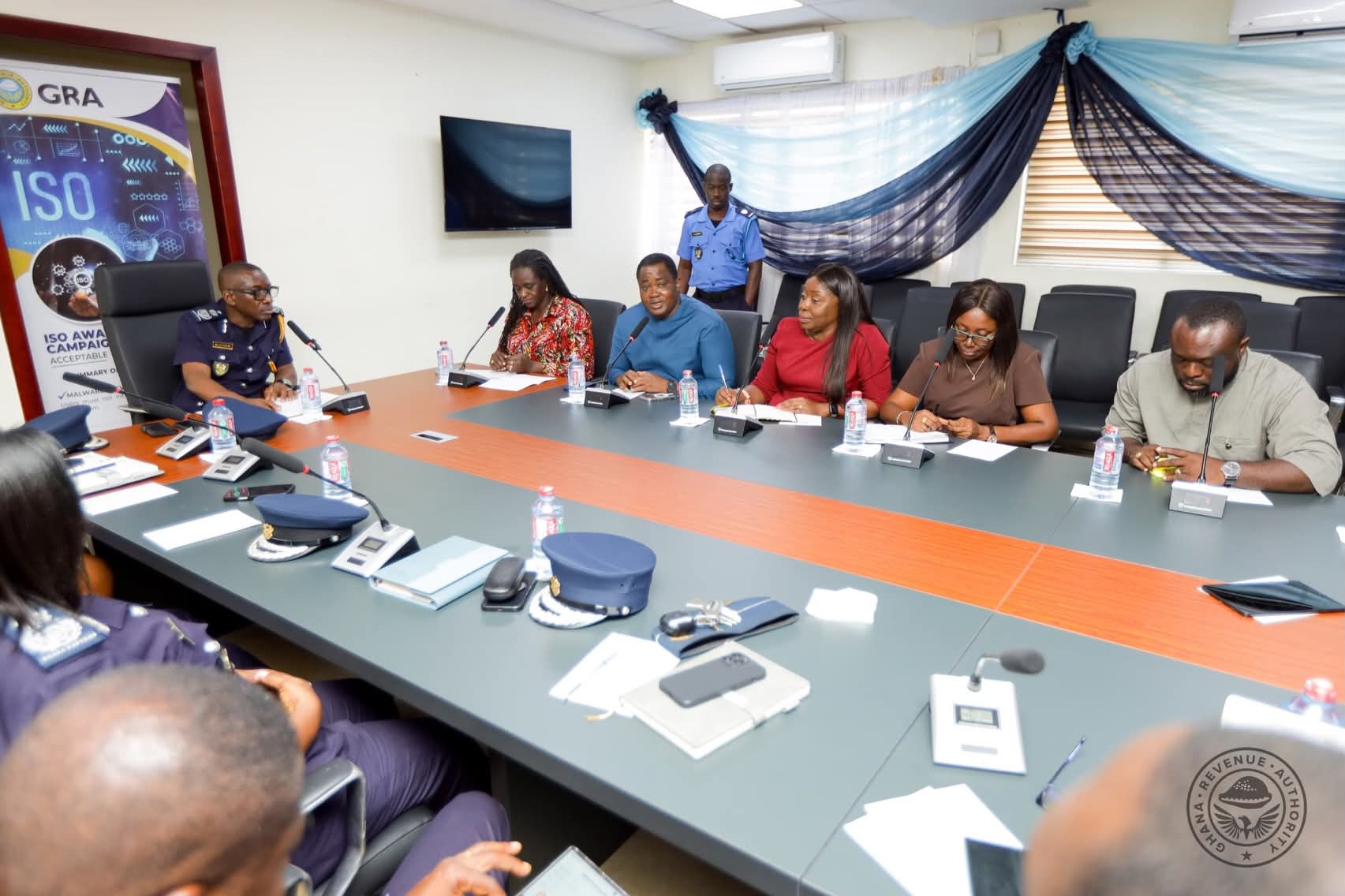
The Environmental Protection Agency (EPA) and the Ghana Customs Division have formalised a strategic partnership aimed at strengthening the regulation and monitoring of hazardous chemicals entering and circulating within Ghana.
The landmark meeting, held recently between the country’s leading environmental regulator and the agency responsible for overseeing imports and exports, marked a significant step towards enhancing collaboration in safeguarding public health, environmental safety and national security.
Although both institutions have worked together over the years on matters relating to hazardous substances, the meeting sought to establish a more structured and coordinated framework for joint operations and enforcement.
A major focus of the discussions was the integration of artificial intelligence tools into the Integrated Customs Management System (ICUMS) to improve the tracking and monitoring of chemicals imported into the country.

Officials noted that enhanced digital surveillance would help identify potentially dangerous substances and improve regulatory compliance.
The two agencies also examined ways of addressing revenue and regulatory loopholes arising from the misdeclaration of certain chemical products, including pesticides such as Profofos.
Participants agreed that tighter controls and improved verification processes were necessary to prevent abuse of customs procedures and ensure proper classification of chemical imports.
Another key issue discussed was the disposal of illegally seized stocks of Sodium Cyanide, a highly hazardous chemical commonly used in mining operations. Both institutions pledged to expedite joint efforts to ensure the safe and environmentally sound disposal of the confiscated substances.
Transportation and handling of hazardous chemicals also featured prominently during the meeting.
The EPA and Customs underscored the need for stronger safety measures, including mandatory GPS tracking systems for vehicles transporting dangerous chemicals, security escorts where necessary, and the introduction of licensing standards for transport operators engaged in the movement of such materials.
Officials further stressed the importance of expanding enforcement activities beyond the country’s major seaports and airports to include all key border entry points, thereby strengthening oversight and reducing the risk of illicit chemical imports.
The meeting concluded with a firm commitment by both agencies to undertake joint training programmes, conduct round-the-clock inspections and intensify coordinated enforcement actions across the country.
The renewed partnership is expected to enhance Ghana’s capacity to regulate hazardous chemicals effectively while reinforcing efforts to protect the environment, public health and the safety of communities nationwide.