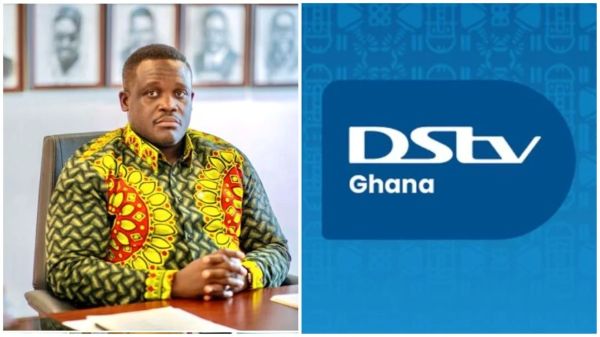
Hon. Sam George recently drew national attention to the price disparities between DStv subscriptions in Ghana and other African countries. His claim? Ghanaians are being unfairly charged—and the National Communications Authority (NCA) must act.
The comparison he shared shows Ghana’s DStv Premium package going for over $82, while the same package reportedly costs $29 in Nigeria. That spread is striking—and it rightly triggered public frustration. But before we rush to demand regulatory crackdowns based on dollar-denominated tables, we need to step back and unpack the actual factors driving those prices.
This isn’t a defence of MultiChoice. It’s a call for a more informed, practical debate. Because solving the problem requires more than outrage—it requires understanding the structure of the problem.
- Dollar Content, Cedi Payments
Most of DStv’s major content—including sports rights, international films, and premium shows—is priced in US dollars or euros. As a result, when the Ghanaian cedi depreciates, the cost of that content (in cedi terms) automatically rises.

Over the past eight years, the cedi has depreciated by more than 200% against the US dollar. Meanwhile, licensing fees for things like the Premier League remain dollar-pegged. MultiChoice still has to pay its suppliers in hard currency, regardless of what the cedi is doing. Ghana, unlike South Africa or Nigeria, has no buffer of localised content scale or significant domestic ad revenue to help absorb the shock.
- Ghana’s Unique Tax Burden
Another critical factor is taxation. Ghana’s tax structure imposes multiple levies on services like DStv:
- 15% VAT
- 5% National Health Insurance Levy (NHIL)
- 5% GETFund Levy
- 1% COVID-19 Health Recovery Levy (CHRL)
These apply on a compounded basis, meaning the effective tax burden exceeds 21%—among the highest in the region for digital and broadcasting services. This isn’t speculation. It’s confirmed by Ghana Revenue Authority guidance and echoed by digital service providers globally.
For comparison, other countries in the region—like Nigeria and Kenya—apply far less complex or burdensome tax structures on Pay-TV and digital services.
While government has announced intentions to phase out the COVID-19 Levy by end of 2025, that relief is not yet active.
- Size Matters: Ghana vs Nigeria
Let’s also talk about market size. Nigeria has over 230 million people. Ghana has about 34.5 million. That difference affects everything—from advertising revenue to per-user cost distribution.
MultiChoice can afford to charge less per user in Nigeria because fixed costs (such as satellite infrastructure, customer service platforms, and marketing) are spread across millions of subscribers. Ghana simply doesn’t offer the same scale.
And yet, DStv’s operating costs—satellites, content rights, and tech support—don’t change just because the market is smaller. This is basic economics, not corporate bias.
- So, What Should Ghana Do?
If we truly want more affordable access to TV and entertainment, we need to go beyond pricing tables and tackle the root causes. Here are a few constructive steps Ghana can take:
- Initiate a fact-based pricing review, benchmarking DStv rates against real cost structures, not just USD conversions.
- Re-examine the tax load on broadcasting services. Reducing levies or offering incentives could lower consumer prices without killing the business.
- Support local content creation, allowing broadcasters to source more affordable, culturally relevant material locally—while creating jobs and building Ghana’s soft power.
- Explore alternative distribution platforms, such as Digital Terrestrial TV and OTT apps, to encourage price and content competition.
Let’s Get Serious
Ghanaians deserve fair prices. But fairness doesn’t mean price parity with Nigeria or South Africa. It means pricing that reflects local realities—our exchange rate, tax environment, and market size—while protecting the consumer from undue exploitation.
Let’s resist the temptation of populist soundbites and tackle this issue with clarity, depth, and seriousness. Emotional responses may win headlines, but smart policy is what will make pay-TV more accessible and affordable for Ghanaians in the long term. We owe the public that level of honesty and effort.
The Author, Yaw Owusu Bempah, is a concerned citizen and commentator on digital national policy and political accountability.